

Swiss reject the introduction of a sovereign climate fund
The Swiss public has delivered a clear majority against the introduction of a new climate fund, which would have drastically increased investment in the energy transition.
During a referendum on Sunday, more than 70% of Swiss voters rejected a proposal by the Green Party and the Social Democrats that would have committed the equivalent of 0.5–1% of Swiss economic output (around CHF 4–8bn per year, or £3.8bn–£7.6bn) to tackling climate change.
However, the ruling conservative–liberal coalition had recommended rejecting the proposal, warning that it would place undue strain on the nation’s finances.
NZI Transition Equities Summit
15 April 2026 | London | Register here
Switzerland formally enshrined its net-zero targets into law in 2023 and aims to become carbon neutral by 2050. Advocates of the climate fund had argued that a significant expansion of investment was needed to reach these targets.
Albert Rösti, a Swiss Federal Council member for the ruling Swiss People’s Party, welcomed the vote, emphasising that the country’s carbon footprint has been consistently reduced since the 1990s. Speaking at a press conference after the vote, he pledged that the Swiss government would continue to invest CHF 2bn (£1.9bn) per year in the energy transition and was now working on implementing four key sets of climate legislation, including bolstering grid and storage infrastructure and expanding nuclear energy.
Sovereign wealth funds like the one proposed by the Swiss opposition have been leveraged by a number of countries to accelerate the energy transition. Sovereign wealth investors such as Canada's Infrastructure Bank, France's 2030 Investment Plan or Britain's National Wealth Fund are designed to crowd private capital into energy transition investments.
Investments in Swiss climate finance solutions have more than doubled over the decade between 2013 and 2023, from CHF361m to CHF842m, however, the bulk of these investment inflows are backed by multilateral or state-backed organisations.
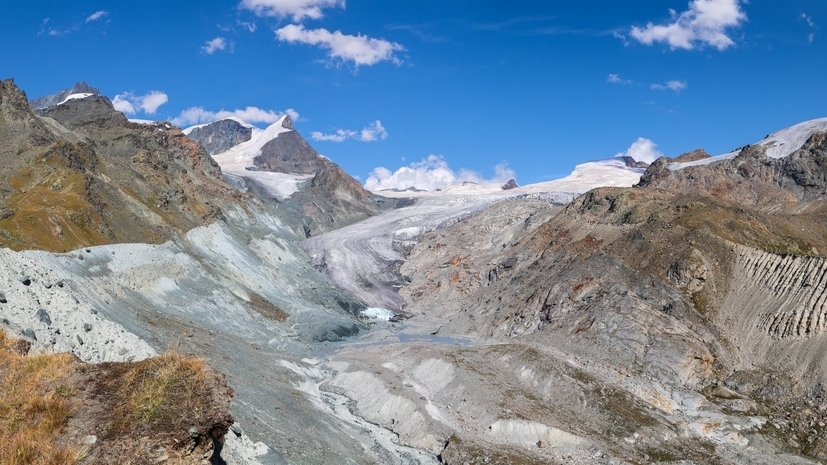
Famous for its Alps mountain range, which offer consistent snow coverage, Switzerland is warming at twice the global average rate, resulting in melting glaciers, thawing permafrost and an increase of natural hazards like landslides.