Australia expands capacity investment scheme by 25%
HESTA has welcomed the new target of 40GW as a sign of Canberra’s commitment to its renewable energy target
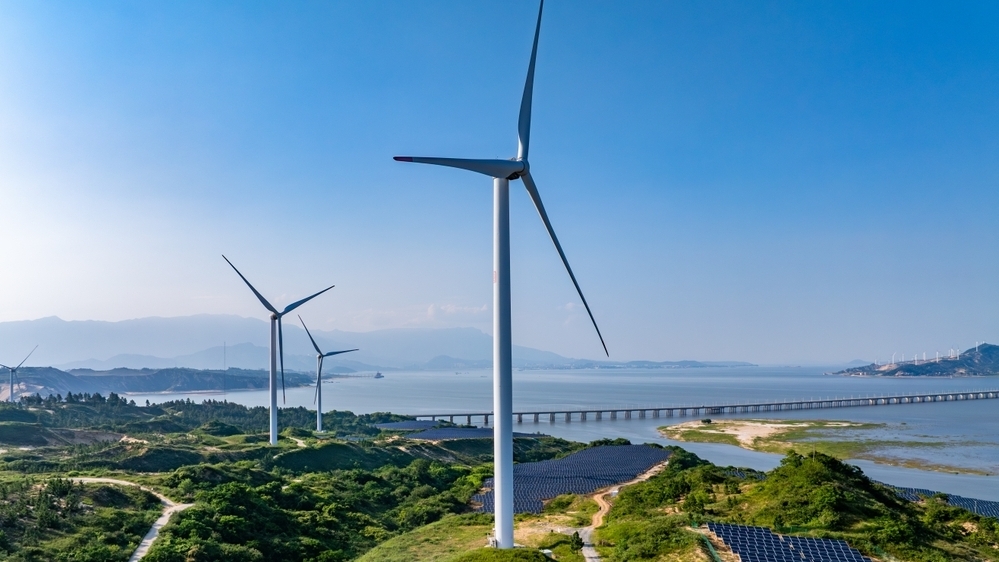
Over the past decade, renewable energy generation in Australia has doubled. Momentum is evident across the board. Since 2015, wind energy generation has grown at 13% per year. Compared to 2016 levels, large-scale solar has grown by a staggering 2777%.
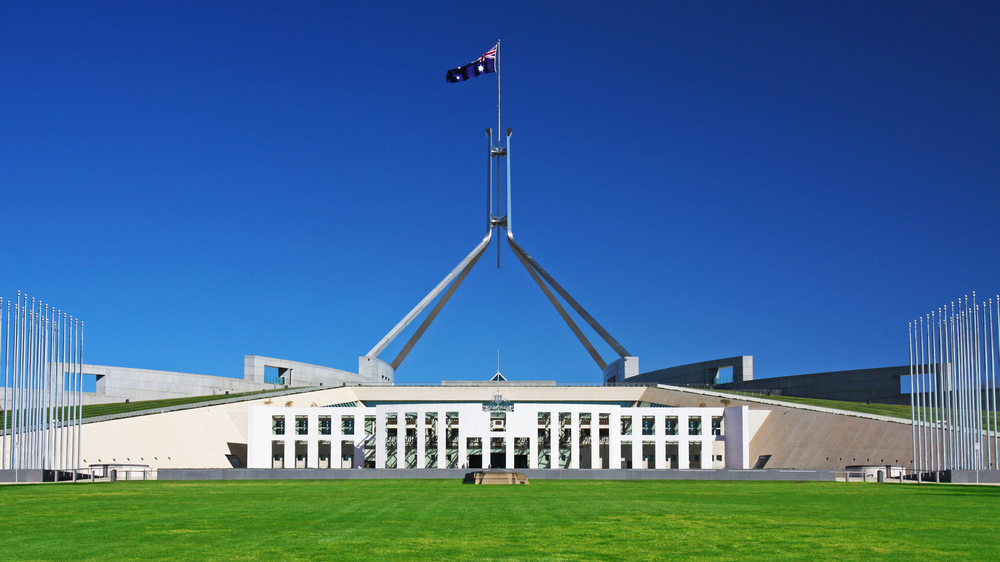
A helping hand from Canberra has a lot to with these numbers. The Capacity Investment Scheme (CIS) - a revenue underwriting scheme for renewables - is a cornerstone of that support. Now, the government has announced a 25% expansion to CIS, increasing its target from 32GW to 40GW.
Investor interest
The CIS is part of the government’s efforts to increase the investment appeal of Australian renewable energy assets. A task that is as urgent as it is critical – given the country’s ambitious target of 82% renewable electricity by 2030. At last count, that figure was at 35%.
The scheme lends revenue safety nets to projects in renewable energy generation as well as energy storage.
By expanding CIS capacity, the government hopes the country’s financiers will increase their appetite for renewables. HESTA, a superannuation fund that manages $96bn worth of assets is amongst the target audience.
“The 25% expansion of the Capacity Investment Scheme (CIS) to 40 gigawatts demonstrates a clear commitment to building a strong pipeline of high-quality renewable investment opportunities”, says Debby Blakey, HESTA’s chief executive.
“We believe this will support further grid decarbonisation, more private investment and continue Australia's progress toward the ambitious 82% renewable energy generation target by 2030”, Blakey adds.
By 2030, HESTA is aiming to deploy 10% of its portfolio in climate solutions.
Momentum
Policy momentum on the renewables front would be welcome news for Australian asset owners with a burgeoning climate solutions appetite. The government-backed Clean Energy Finance Corporation (CEFC), for instance, has had a record-breaking year. $4.7bn committed in the last 12 months. Of which $3.5bn was in renewable energy assets.
“Even with the considerable investment run rate of the past decade, Australia requires ongoing investment in renewables and long-duration storage, clean energy affordability for consumers and measures to cut emissions in ‘hard-to-abate’ sectors”, commented CEFC chief executive Ian Learmonth.
For the momentum to meet investor expectations, it must carry. All eyes are now on the announcement of a 2035 emission reduction targets. “ We want to see the Federal Government set a strong and ambitious 2035 climate target”, says Blakey, “as this will help give investors the certainty they need to supercharge investment in Australia’s shift to a low-carbon future”.