
French investors launch framework to assess managers’ engagement efforts
The initiative, spearheaded by French public pension funds FRR and ERAFP, provides tools for asset owners to compare the influence of managers’ engagement aimed at feeding into the selection process
FIR (Forum pour L'Investissement Responsable), the French Sustainable Investment Forum has launched a framework which proposes a common definition of engagement for listed markets assets, aimed at assessing managers on their stewardship credentials.
The new framework comes with a toolkit titled VOICE (Valuation Of Influence in Corporate Engagement) to assess and compare managers’ engagement processes, and a standardised reporting format. It takes into account the role played by the manager during the engagement, promoting those who drive tangible changes at companies while identifying the free riders.
NZI Climate Solutions | 23 June | London | Register here
Engagement initiatives have multiplied over the recent years, emerging as a powerful lever to steer corporate sustainability transition. But measuring the impact of these initiatives is still a guessing game, due to a lack of standardised definitions and metrics.
Most asset managers still measure their engagement efforts through the number of interactions with companies instead of focusing on the quality of their participation. Asset owners are increasingly seeking evidence of the impact of their manager’s engagement efforts.
The working group*, launched in 2025, includes five major institutional investors, five asset managers, three academics, two representatives of the PRI, and one representative of the French SIF. Sophie Haas, head of Responsible Investment Strategy at the Fonds de Réserve pour les Retraités (FRR), and Pierre Devichi, former head of Responsible Investment at Établissement de Retraite Additionnelle de la Fonction Publique (ERAFP), co-led the group.
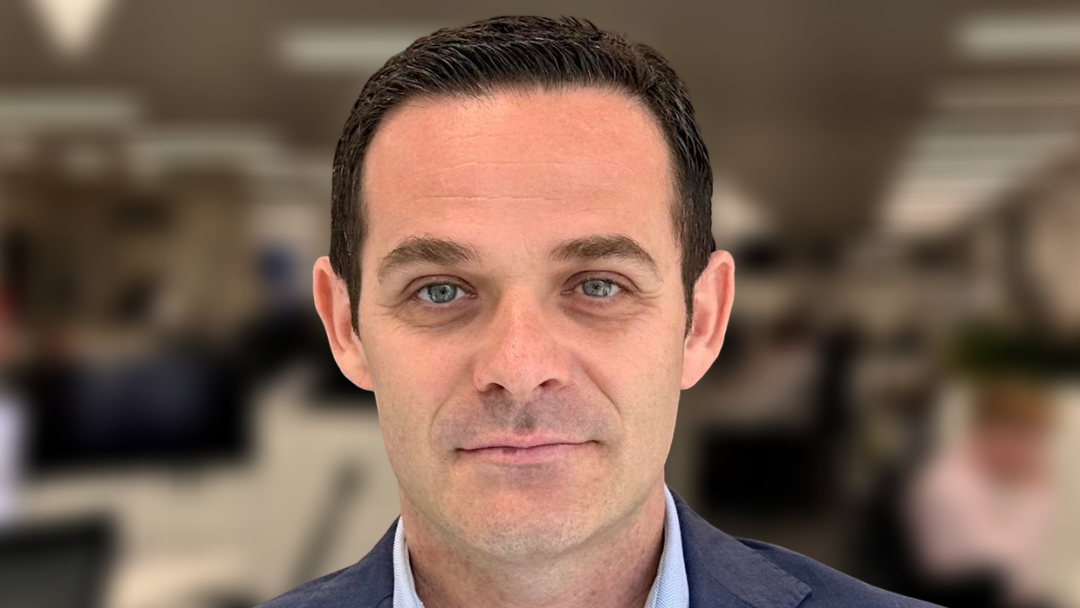
“The asset owners set the direction and expressed the need to categorise the influence and effectiveness of engagement. The asset managers contributed a practical perspective on implementation, while academics helped formalise our day-to-day practices into a structured analytical framework,” said François Humbert, engagement lead manager at Generali Asset Management and a member of the working group.
“The asset owners set the direction and expressed the need to categorise the influence and effectiveness of engagement. The asset managers contributed a practical perspective on implementation, while academics helped formalise our day-to-day practices

The art of demonstrating influence
The cornerstone of the framework is the definition of engagement. It is defined as “the practice whereby investors engage in an iterative and deliberate cycle of interactions with the companies in which they invest. Engagement is based on one or more specific and targeted objectives, with the aim of influencing companies’ transparency, operations and/or strategies on environmental, social and governance (ESG) issues, and with the aim of protecting and/or enhancing long-term value creation”. There is also an accounting definition, which describes the key characteristics of an engagement, to differentiate it from dialogue or voting activities.
The most innovative part of the framework, however, lies in the concept of influence outlining how effectively and to what extent the engager has convinced a company to make a change. The toolkit proposes a grid to qualify and rank engagement processes on a five-step scale, ranging from “no influence”, which means merely only initiating an engagement, to “recognised influence”, when a target company has publicly or privately acknowledged the investor’s contribution to an engagement topic that has led to a quantifiable change within the company.
Between these two extremes, asset managers can rely on a set of indicators that, through their convergence and timing, provide evidence of their influence. “We used concepts inspired by established legal frameworks, such as converging indicators and feedback loops, to help demonstrate the impact of engagement, particularly when direct recognition from the company is not yet available,” added François Humbert.
Going forward, we will ask applicants to provide normalised data on the influence of their engagement activities, enabling us to compare candidates in a more standardised manner
The framework categorises engagements according to their level of influence, ambition of their objectives and the role of the engager in the process. This is designed to help asset owners gauge external managers’ engagement performance.
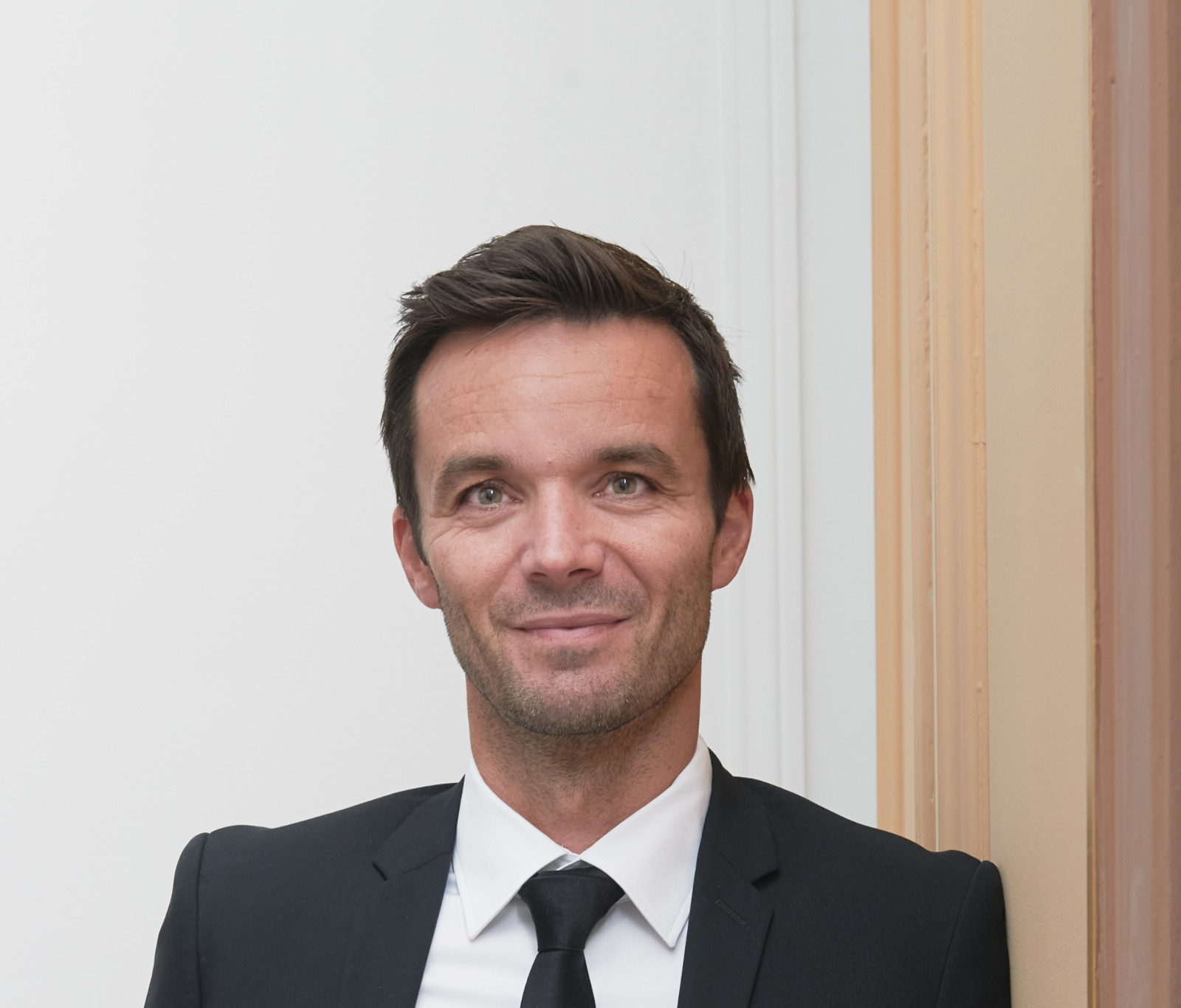
“We are planning to use this framework during manager selection processes to evaluate applicants’ ability to engage on our behalf in order to promote our ESG principles. Going forward, we will ask applicants to provide normalised data on the influence of their engagement activities, enabling us to compare candidates in a more standardised manner. We will also use these tools as part of our ongoing discussions with our external managers to ensure a proper alignment of our mutual expectations,” detailed Olivier Bonnet, head of Manager Selection and recently appointed head of Responsible Investment at ERAFP, the French public sector additional pension scheme, which manages some €47.8bn in assets.
Transforming the European engagement landscape
Managers seeking to conquer the French institutional market will soon have to get accustomed to this new way of reporting engagement performance, as mandates could be won or lost on this point. “We have already started to use a part of the framework in our sustainability report, where we asked our external managers to provide information on the engagement activities carried out within our funds. We did not receive the same level of acceptance from all our managers and this is why we will need to have further extensive discussions and awareness sessions to clarify our expectations regarding its key concepts,” stressed ERAFP’s gatekeeper.
Based in Paris, the birthplace of the Paris Agreement, the FrenchSIF aims to cast its net more widely. The association plans to present this framework to its European peers during an upcoming roadshow, which is under discussion. I also aspires to the standard becoming part of the future version of Sustainable Finance Disclosure Regulation (SFDR).
Engagement is likely to play a central role in the proposed “transition” funds category. These funds invest in carbon-intensive companies helping them to transition to a low carbon economy. However, the absence of a harmonised engagement framework has raised questions about what constitutes “credible engagement”. “This framework could potentially be used to give more substance to the credibility of an engagement,” suggested François Humbert. It however remains to be seen if the French voice will have a “very likely influence” on defining this category.
*The members of the working group include Gabrielle Bodel (Malakoff Humanis) Sophie Haas (FRR), Benjamin Chekroun (Candriam), Mickaël Hellier (CDC Croissance), Héloïse Courault (BNP Paribas AM), François Humbert (Generali AM), Jean-Philippe Desmartin (EDRAM), Anne-Claire Imperiale (Sycomore AM), Pierre Devichi (ERAFP), Karine Leymarie (MAIF), Catherine Friedrich (PRI), Marie Marchais (FIR), Stéphanie Giamporcaro (Kedge Business School), Clara Melot (PRI), Jean-Pascal Gond (Bayes Business School) and Sébastien Thévoux-Chabuel (Dauphine Université).
Longview Networks: Institutional Investment Conferences and Summits