
“Like infrastructure in its early days”: AXA IM Alts’ Alexandre Martin-Min on carbon credits and nature-based solutions
AXA IM Alts’ head of natural capital says carbon credits are a game changer for asset owners
In 1980, Duke University scientist Dr. Curtis Richardson convened a first-of-its-kind conference on pocosin peatlands. In the decades that followed, Dr. Richardson’s research revealed that pocosin peatlands could actually store carbon if they were restored.
Then, in 2023, nature-based solutions company Pantheon Regeneration partnered with Dr. Richardson to develop the first commercial peatland restoration project in the US. At the heart of its commercial ethos lies a familiar yet controversial instrument - carbon credits.
In September this year AXA IM Alts – an alternative assets manager – announced a private equity investment into Pantheon. Backing not just Pantheon’s team, that now includes Dr. Richardson as chief scientist, but also its carbon credit-based natural capital offering.
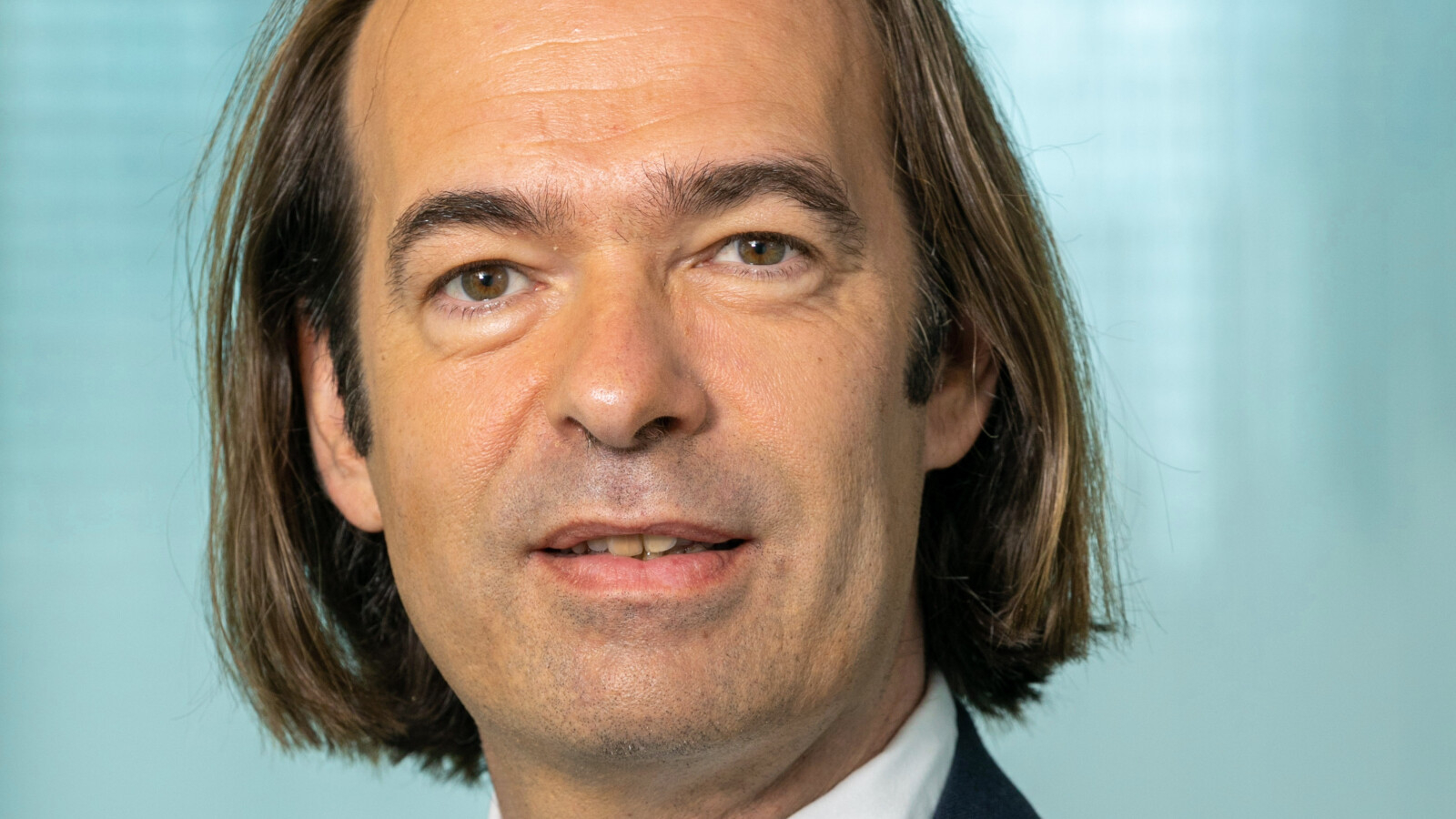
Alexandre Martin-Min, head of natural capital and impact investments at AXA IM Alts, told Net Zero Investor more about the thesis behind AXA IM Alts’ natural capital investment strategy – including its embrace of carbon credits.
Investment strategy
AXA IM Alts has over €188bn of assets under management. AXA Investment Managers, its parent company, is now part of the BNP Paribas Group, following its acquisition in July 2025.
“The first investments were made back in 2014”, says Martin-Min, recalling the origins of AXA IM Alts’ natural capital and impact strategy. At the time, investments were largely indirect – targeting funds investing in natural capital.
Over the years, that focus expanded. “In 2019 we decided that we would change our approach to have a better control over impact and focus on sectors able to deliver market-returns”, Martin-Min says.
“We decided we would do direct investment investments in three areas: health, climate-tech and nature-based solutions”, he adds.
Carbon markets
Today, the strategy has a keen focus on two categories of carbon projects – removal and avoidance. “We are building our strategy around two main types of projects, avoidance and removal. Some that are very long dated such as in reforestation (removal). Avoidance is typically shorter dated both in its impact and its return generation”, explained Martin-Min.
The combined pursuit of removal and avoidance projects is deliberate, he says, citing benefits related to diversification and impact.
A core tenet of the investment thesis is that carbon markets offer monetisation potential for natural capital projects. In turn, this relies on an underlying conviction in the trajectory of carbon prices and carbon credits.
In the strategy’s early days – in 2014 – Martin-Min says the carbon market was quite volatile.
“So, you had really a shaky market, but we had the feeling that the market was changing in terms of methodology and the diversification of buyers. So, we based our strategy directly on carbon instead of broader investments where carbon is just one of the components, such as Timber”, he commented.
Carbon credits
Martin-Min is convinced that the market for carbon credits is poised for growth. “A lot of people are at the beginning of their curve in terms of buying carbon credits”, he affirms.
Scientists, including those at the Science Based Targets Initiative (SBTi) have long been sceptical of carbon credits. A 2024 investigation into carbon credits by SBTi found that these were largely ineffective in the context of emissions reduction.
Martin-Min agrees that carbon credits have not been without their fair share of institutional investor criticism. Yet, he says, investor confidence in such instruments can be nurtured.
“When we did our first investments, they [investors] would come on the ground to check the numbers”, he recalls, “now, you have artificial intelligence, geospatial imagery and advanced means of measurement. I think the key is to make investors comfortable about measurements”.
Infrastructure-like
The implication of Martin-Min’s hypothesis regarding carbon credits in natural capital is a prediction: an expanding market will attract institutional attention.
In that sense, he reckons these features have been at play before. “For me this market could be compared to infrastructures in its early days”, Martin-Min says.
Unsurprisingly then, the plan is also to back the pioneers. As the Pantheon example shows, the strategy has an appetite for early-stage allocations. Martin-Min says AXA IM Alts is specifically looking to invest in companies embarking on their growth phase.
For instance
To illustrate his thinking around carbon credits and natural capital, Martin-Min offers an example. “If today you do an afforestation project and you're able to sell forward 50% of your carbon credits over 20 years, you start to get something that is more similar to an infrastructure investment”, he notes.
The result is a proposition that Martin-Min is confident will help attract institutional interest. “So you can secure a minimum return on your investments and for most institutional investors that’s important”, he adds.
While he warns that targeted returns are highly dependent on carbon prices, his optimism for carbon credits in nature-based solutions is palpable.
“It [carbon credit market] starts to completely change the game for the LP”, he concludes.