Oil and gas results are coming up - will geopolitical conflict shift their narrative?
With oil majors due to release H1 results, Rohan Bowater, Lead Analyst for Oil & Gas and Co-founder at Accela Research examines if geopolitical conflicts could trigger a new push to increase fossil fuel production
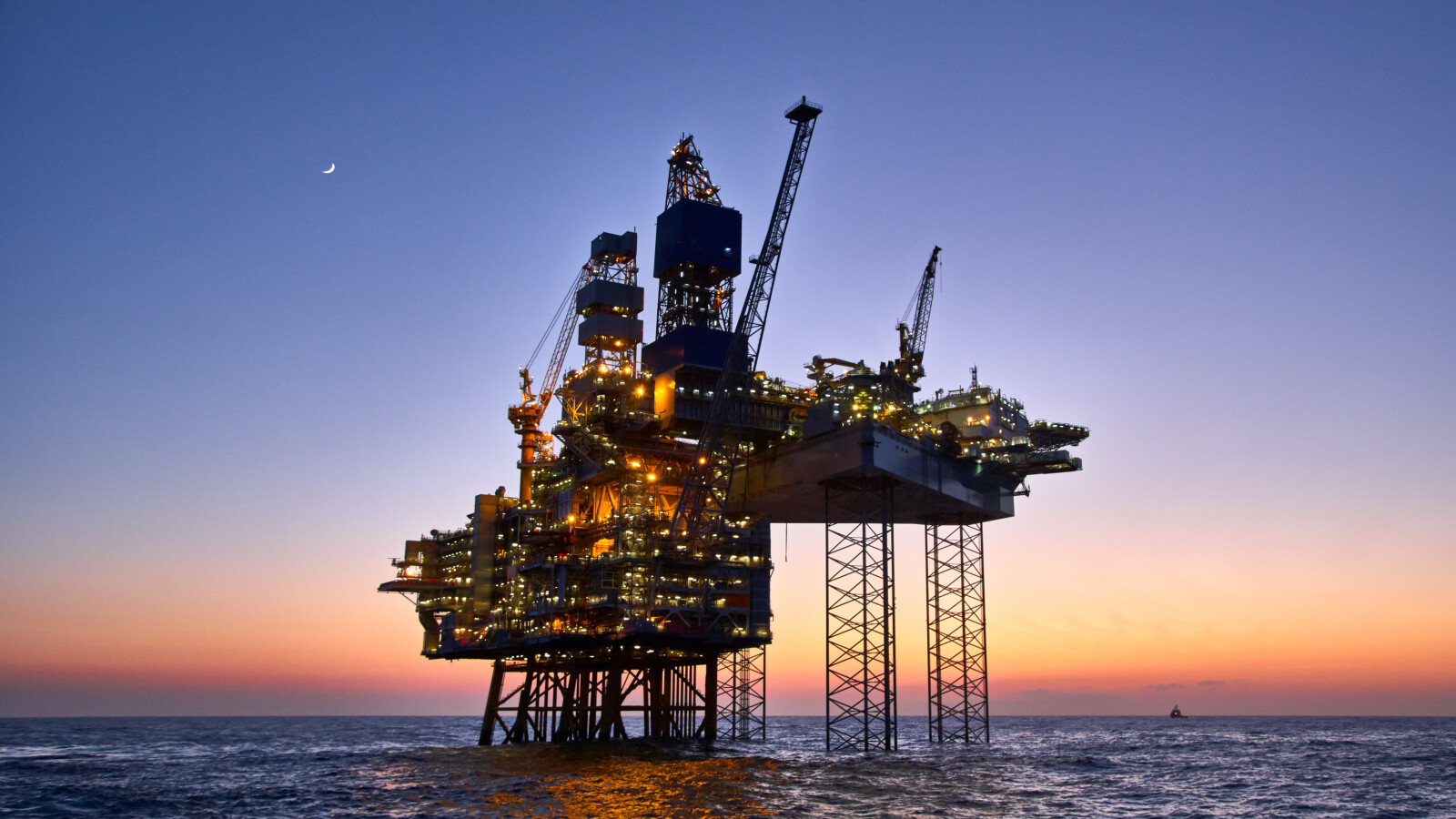
Geopolitical conflict often rewrites the energy narrative. When disruptions jolt the supply of oil and gas, prices go up and resources companies cash in. Oil and gas majors also seize on the moment of instability to push ahead with long-term fossil fuel projects, promoting them as essential strategic assets for national and regional energy security.
Meanwhile, concerns about the climate transition are quietly brushed aside. As is the fact that oil, gas and coal aren’t just exposed to geopolitical volatility, but are commodities that help to create it.
We saw all of this play out after Russia’s invasion of Ukraine. Now, with tensions high on the other side of the so-called ‘12-day war’ between Israel and Iran, we may see the same dynamics repeat themselves. We’re likely to see whether this will be the case in the oil and gas majors’ upcoming half-yearly results.
Russia-Ukraine and the oil and gas narrative
After Russia’s invasion of Ukraine, oil prices rose to $130 per barrel as sanctions tightened and critical supply infrastructure came under threat. LNG prices also rose - at the time, ~40% of the EU’s imported gas supply came from Russia.
The oil and gas majors responded quickly - in their communications, their strategic actions, and their capital allocation.
Shell described the crisis as proof of the need for a “balanced transition” - one that keeps gas flowing and infrastructure expanding. TotalEnergies was more direct still: the crisis gave it “renewed confidence” in its fossil-heavy strategy and reinforced the view that we must “invest in two energy systems”.
In response, the two companies significantly expanded their Qatar LNG partnerships, signing multi-decade supply contracts positioned as critical to securing Europe's energy independence from Russia. Elsewhere, Eni fast-tracked LNG development in Congo, reviving the long-stranded Marine XII gas with the acquisition of Tango FLNG. They also swiftly sanctioned a second, larger unit (Nguya) to follow. A once marginal development was rebranded as both a contribution to Congo’s domestic energy ambitions and a strategic new export route to reduce Europe’s reliance on Russian gas.
Governments supported this shift, too, accelerating approvals and downgrading environmental safeguards in the name of energy security. Germany passed a special ‘LNG Acceleration Act’, sidelining climate assessments to fast-track terminal construction. In the UK, regulators greenlit Shell’s Jackdaw gasfield after ministers invoked national security concerns, with Shell’s UK chair welcoming approval “at a time when UK energy security is critically required”. In 2025, Norwegian politicians have continued to argue new exploration acreage was essential to maintain its status as a “stable energy supplier to Europe”.
All in all, the Euromajors increased oil and gas spending by 20% in FY22, adding $10bn in fossil capex as they made windfall profits. Shell and TotalEnergies doubled their underlying earnings from the previous year. Meanwhile, renewables and transition plans were deprioritised.
Responses to the 12-day war
In June, the 12-day war pushed the oil price from $60 to over $70 due to fears that the Strait of Hormuz, the chokepoint for a quarter of all oil trade and ~20% of global LNG, could be blocked. While the oil price has since dropped, fears of future disruptions remain.
The oil and gas majors are scheduled to release their half-yearly results in the coming weeks, and we may see a repeat of the dynamics of 2022. Companies may cite energy security, along with the potential for greater profits, as a motive for greater fossil fuel investment. Plans that were hard to justify on climate or cost grounds may be framed as imperative.
The profound risk in all of this is that this cycle feeds itself. Fossil fuel investment across geopolitical boundaries and fragile supply chains increase the potential of future disruptions.
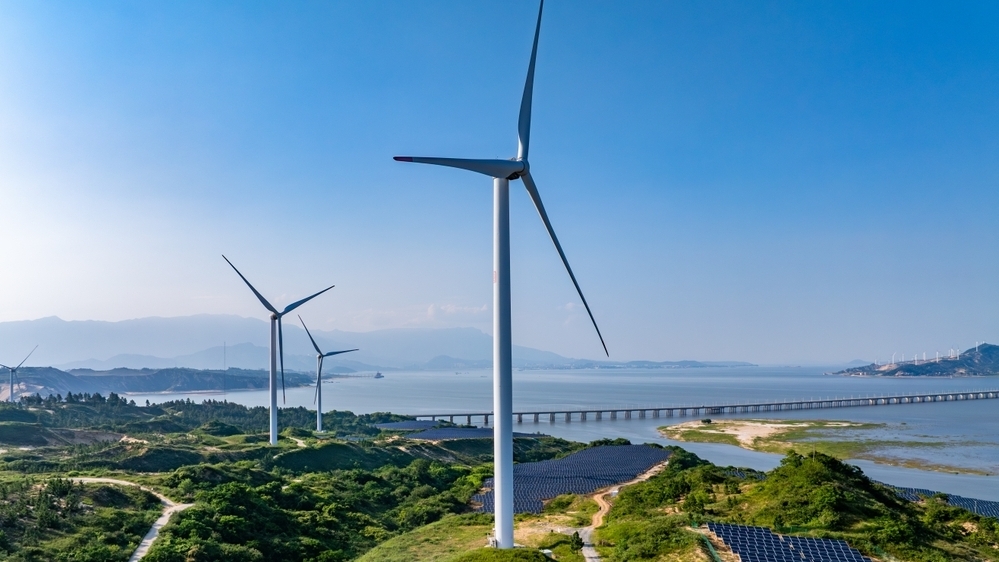
Renewables turn that equation on its head. They decentralise energy systems, are less exposed to spot markets or embargoes. They reduce exposure to geopolitical leverage. If the goal is global, regional or national energy security, the case for clean energy is surely stronger, not weaker. Yet in times of crisis, that logic is often ignored or inverted.
The balancing act for investors
The dynamics at play between geopolitical instability and oil and gas strategies can catch investors in a bind. Short-term returns look attractive, but long-term value in the transition and credibility on climate commitments becomes harder to achieve. Profits from fossil fuels make it harder to push companies to embrace meaningful climate targets. Once the momentum behind the energy transition falters, it's tough to regain.
Decisions made under the influence of conflict and instability can shape portfolios for decades. Projects sanctioned now will be operating well into the 2040s and beyond. A short-term response to geopolitical shocks becomes a long-term commitment, and changing course is harder.
If energy security keeps being framed around the supply of fossil fuels, we will miss the chance to cut emissions and build a renewable system that’s both cleaner and more resilient.
What is clear is that geopolitical shocks are recurring stress-tests of corporate strategy. What followed the Russia-Ukraine war was not just a short-term profit spike; it was a strategic reorientation. Under the guise of security, companies locked in a decade or more of new fossil investment while renewables were rolled back.
Investors have an opportunity to push companies to respond differently this time. Engagement strategies might focus on:
Pressuring companies to disclose how current geopolitical shocks are influencing capital allocation, including changes in project pipelines, payback periods and distribution policy;
Ringfencing temporary responses from long-term strategy. LNG procurement might be justified in a crisis, but it shouldn’t be used to greenlight 20+ year gas developments;
Treating net zero as the only long-term route to sustainable energy security and strategic resilience at both a company and economy level.
In the meantime, all eyes should be on how oil and gas companies frame and employ recent geopolitical volatility. Their half-yearly results to be released this month will give an essential indication.