Beyond Barbarians at the Gate: climate resilience becomes private equity’s new value lever
From California wildfires to rising insurance costs, climate risks are pushing private equity firms to rethink how they create and protect value
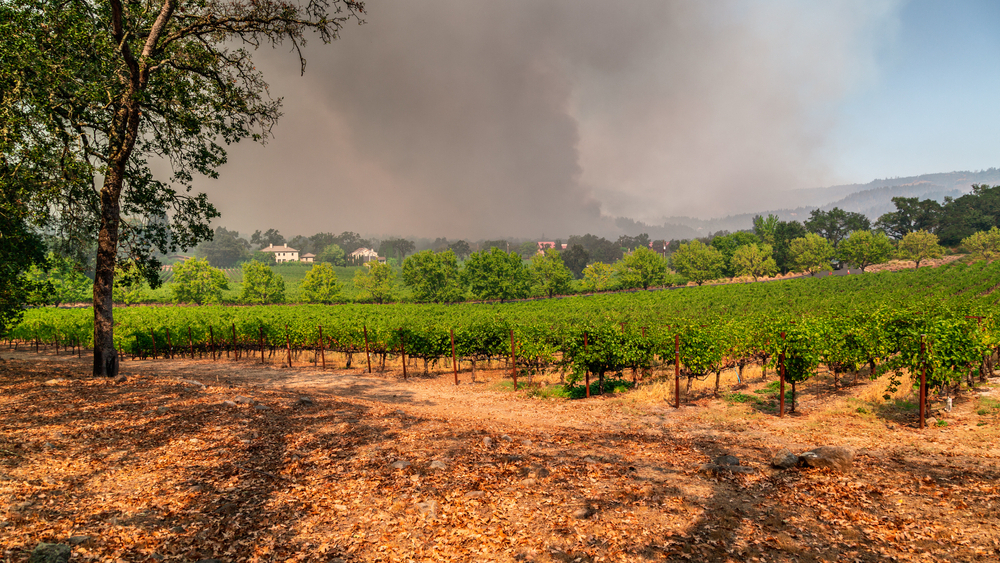
Wildfires have had a devastating impact on Californian fruit producer Prima Wawona. The 2020 fires burnt nearly 400,000 hectares of land and caused some $18m in damages, ultimately contributing to the bankruptcy of the private equity-backed firm. The case highlights the tangible risks of warming temperatures for private investors.
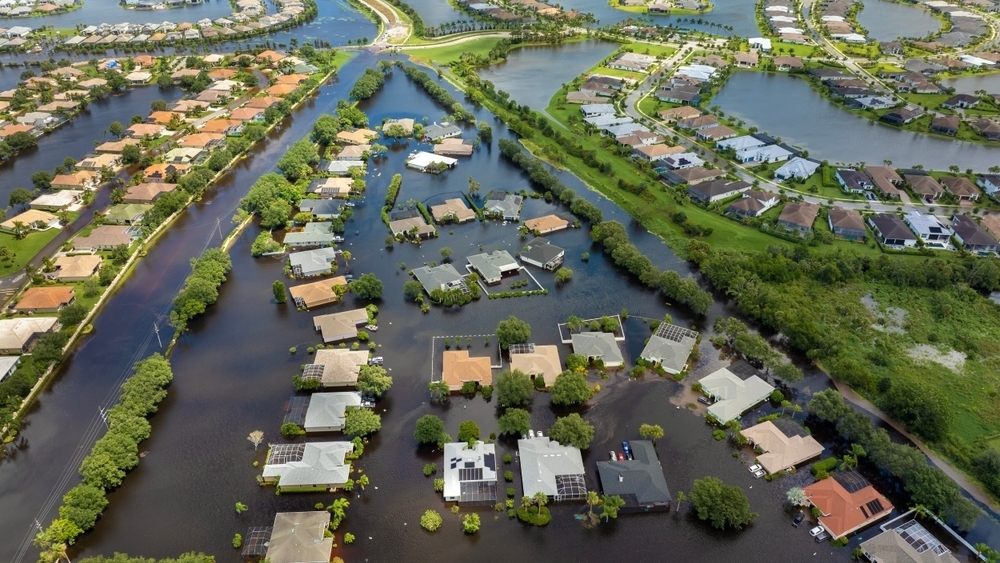
As Europe, Central Asia and the US swelter under record-breaking heatwaves and mounting wildfire risks, the physical risks of climate change are becoming increasingly tangible. For private equity investors, this means that the focus is increasingly shifting from cost efficiencies and asset stripping characterised in the 1980's classic "Barbarians at the Gate" to to climate resilience as an opportunity to expand margins.
“The era of reliance on low-cost debt and roll-up strategies as primary engines for multiple expansion is in the rear-view mirror,” suggests a new report by Unwritten, a climate technology firm.
NZI Transition and Climate Investment Conference | 22 October | London | Register here
The paper, The Resilience Advantage, flags that unplanned downtime already costs the world’s 500 largest companies 11% of their annual revenue, equivalent to total losses of $1.4trn.
The report outlines six value creation levers through which firms can capture financial upside from resilience building. These include securing insurance coverage at lower premiums by presenting site-level mitigation data to underwriters, preventing operational downtime through targeted adaptation measures, and winning new requests for proposals by meeting the stringent ESG reporting requirements of large buyers.
Other levers involve protecting supply chains through dual-sourcing strategies, lowering borrowing costs via sustainability-linked loans backed by credible risk data, and strengthening the sustainability narrative during vendor due diligence to support multiple expansion at exit. Unwritten notes that PE investors can potentially capture a 6–7% uplift in exit multiples from well-executed sustainability strategies.
However, Unwritten warns that there is currently an execution gap, whereby traditional frameworks fail to bridge the divide between investor-level insight and frontline execution.
The group warns that awareness of climate risks within mid-market PortCo teams remains uneven, while language barriers and constrained resources create bottlenecks. Localised upskilling of management teams at portfolio company level, multilingual co-pilots and a focus on more collaborative workflows could help tackle these issues at their root, Unwritten suggests.
California shows how this can be turned into action. Viader Vineyards, a Napa Valley wine producer, has invested in defensible space around winery buildings, installed dedicated water storage and improved road access for firefighting infrastructure. These commitments came with upfront costs but paid off during the 2020 fires, which proved devastating for other fruit growers. While the vineyards experienced some damage, much of the operation survived, allowing production to resume relatively quickly.
Longview Networks: Institutional Investment Conferences and Summits