Investors face ‘inflection point’ on physical risk, MSCI says
New research shows 900 companies with high exposure and low preparedness
Physical climate risk is becoming increasingly financially material for listed companies. New research from MSCI shows 37% of its All Country World Index (ACWI) constituents are heavily exposed yet underprepared to deal with physical risks. The ACWI spans just over 2400 companies and 85% of the world’s investible listed equities.
NZI Transition and Climate Investment Conference | 22 October | London | Register here
MSCI’s researchers examined regulatory filings of large listed companies. The findings highlight a potential area of concern for investors – physical risks have become material while plans to address them are lagging.
Filings
MSCI’s research covered a global sample of 25,346 companies and their disclosures between 2023 and 2025. 81% of these companies listed physical risk alongside a wider range of business risks, and just 27% provided additional details about the impact of the identified risks.
The team then zoomed in on a group of 1,066 US listed companies and their disclosures between 2000 and 2025. The data focuses on the annual report companies file with America’s securities regulator (10-k) and an off-cycle report companies file to inform investors about major events (8-k).
Jeremy Porter, managing director of research and development at MSCI says the difference between 8-k and 10-k physical risk disclosures holds clues.
“If you take the companies that are eligible to be reporting on climate risk, the increase in off-cycle disclosures, the 8-K disclosures, has been significant”, he points out.
“We’re seeing this because there are more frequent, more severe physical climate disasters that are materially impacting corporate issuers”, he adds.
When Porter and his team matched the two disclosures, they found that 74% of companies that disclosed a physical risk event in the 8-K form, then went on to disclose physical risk in more detail in the 10-k. The average company would file three 8-ks where physical risks were acknowledged before the annual report caught up.
“We’re at an inflection point where physical climate risk is becoming a material driver be integrated properly into risk analytics frameworks. That applies to investors, asset owners, asset managers and corporations”, Porter says.
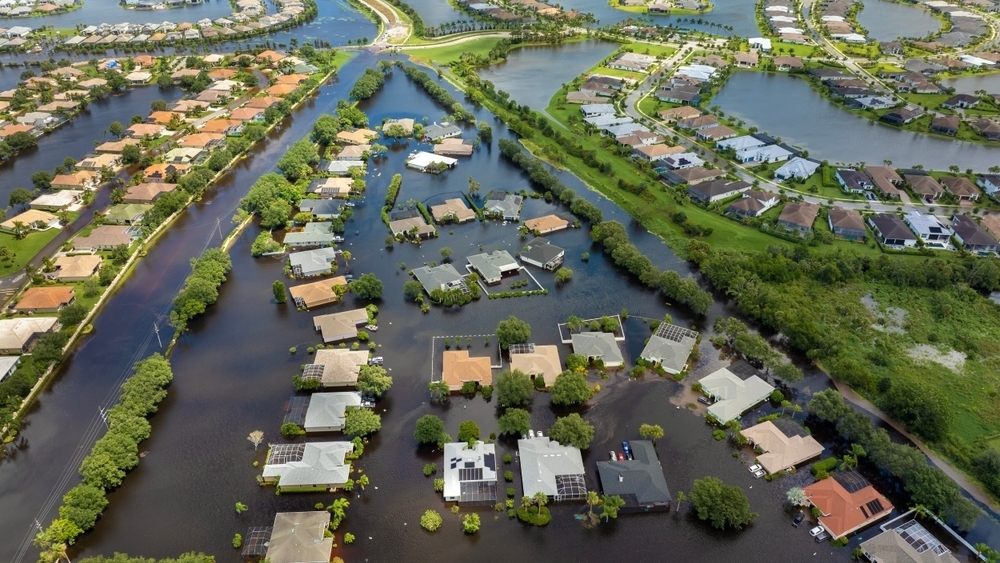
The data also highlights the role of extreme weather events in catapulting physical risk into the risk spotlight. Porter points to spikes in disclosures after Hurricane Katrina and Superstorm Sandy as examples.
Porter warns against dismissing these as rare events. “If one-in-100-year events are becoming one-in-35-year events because of the change in climate, then we’re seeing persistent growth in exposure”, he notes.
Material risk
The financial materiality of physical risks is also rising alongside their awareness. Some 80% of companies that reported a climate-related major event in an 8-k filing had at least 1% of revenue at risk.
Porter reckons investors should distinguish between the revenue and valuation effects of physical risk.
“Both take hits after an 8-K disclosure, but revenues tend to bounce back much faster than valuations. Revenue responds quickly, while the valuation hit companies take ends up taking persistently longer to rebound”, he explains.
Other physical risk materiality channels such as insurance premiums, avoided losses, business disruptions, deductibles and reserves are also on the rise, Porter notes.
With exposure and materiality rising, preparations are lagging. MSCI’s research categorised 900 ACWI constituents as high exposure, low preparedness (HELP).
This category includes companies that had a minimum of 1% revenue exposed to physical risk but did not have a plan in place to increase asset-level protection. Just 17% of these companies had such plans in place.
Porter says there are leaders and laggards, some companies and sectors are used to dealing with climate risks. Others are catching up. He expects that to change quickly:
“I think we’ll see sectors that haven’t traditionally thought about physical climate risk starting to think about it more than they have in the past”.