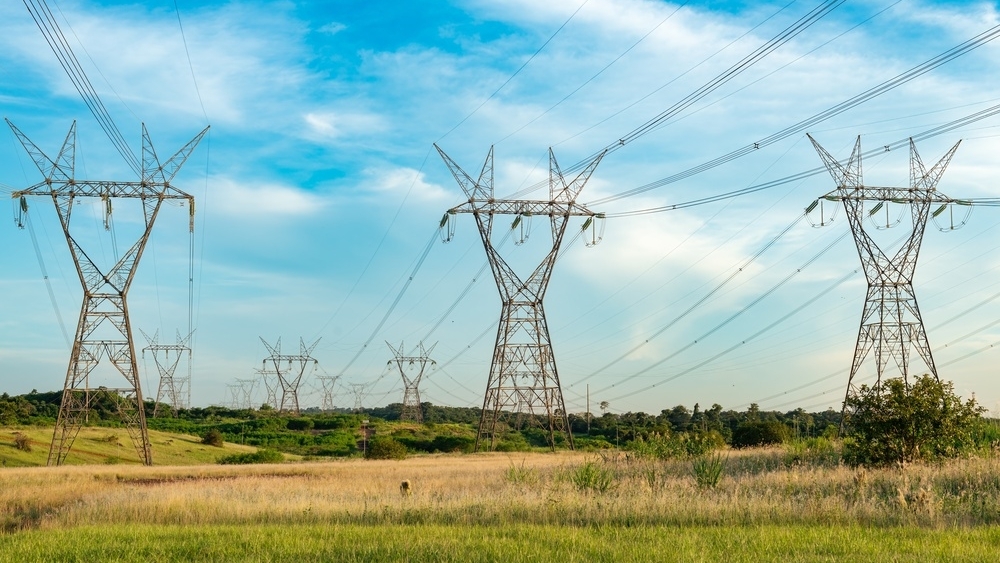
Singaporean sovereign wealth fund GIC will partner with Spanish utility Iberdrola to develop transmission infrastructure in Brazil. The strategic partnership comes three years after the establishment of Neoenergia Transmissão, a joint venture between Iberdrola’s subsidiary Neoenergia and GIC.
GIC’s latest expansion of its partnership with Neoenergia will add seven transmission assets to the platform and increase the latter’s stake in the JV to 51%, with GIC owning the remaining 49%.
NZI Transition and Climate Investment Conference | 22 October | London | Register here
The transaction brings the JV’s asset value to roughly €4.25bn spread across over 16 assets and 6700km of transmission lines. The portfolio, which Iberdrola says is geographically diversified, has estimated annual revenues of €320m.
For Iberdrola, the transaction reflects the group’s strategic focus on electricity networks. A focus, it shares with GIC. The fund’s sustainable investing disclosures outline a plan to capture opportunities in industries such as utilities which are shifting to low-carbon energy.
By 2028, Iberdrola plans to deploy €37bn into transmission-related assets. The capital allocation plan targets the US, UK and Brazil – a choice driven by stable regulatory frameworks in these countries.
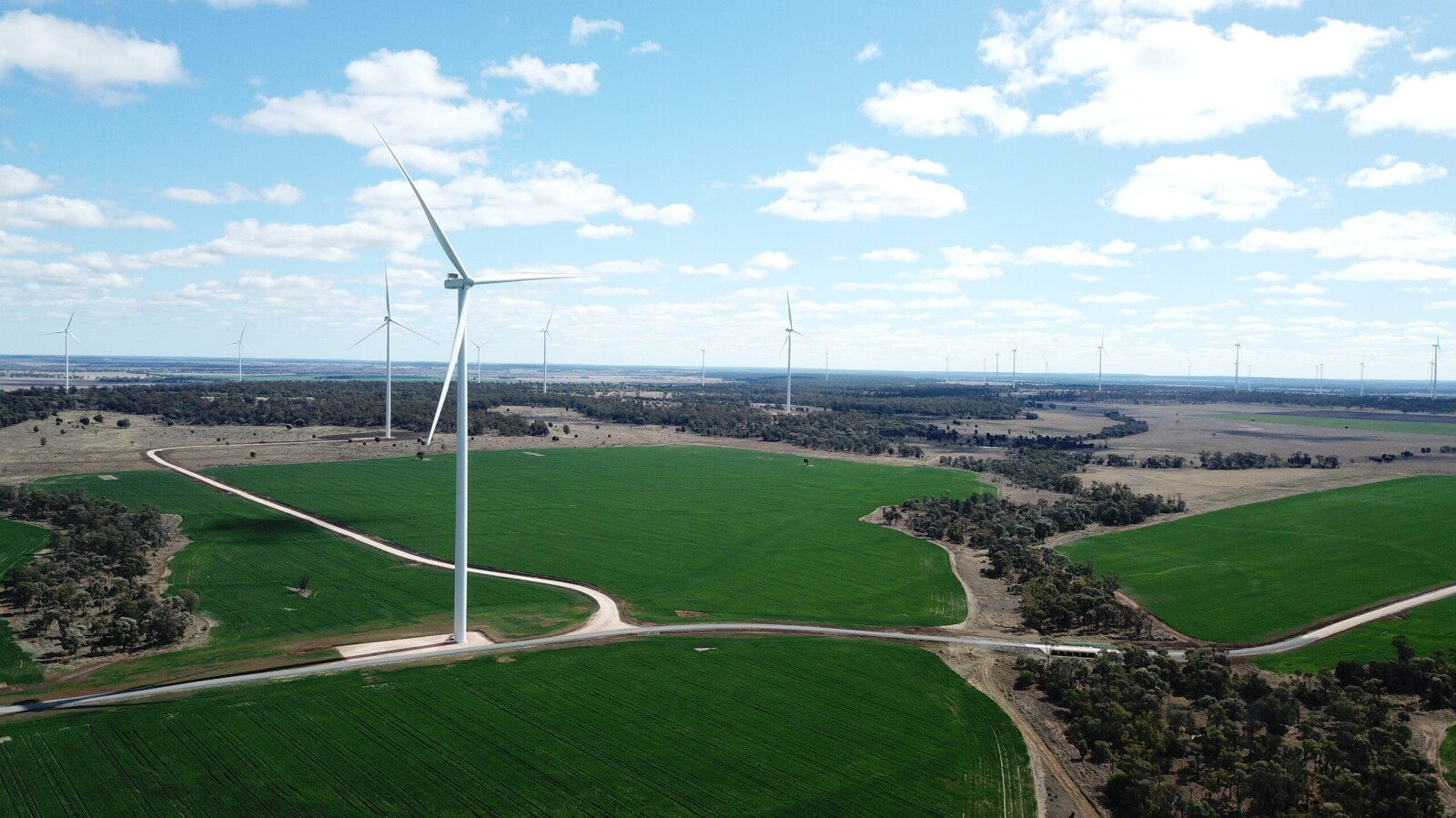
According to its disclosures, the company’s focus on transmission is set against the backdrop of rising electrification and a parallel €21bn investment into clean energy generation by 2028. Along the same timelines, Iberdrola plans to achieve 60GW of installed capacity, of which it expects 90% to be emissions-free.
Given the significant share of clean energy in its electricity mix (89%), Brazil’s transmission infrastructure is key to keeping the transition momentum going. Iberdrola currently operates 3600MW of renewable energy generation in Brazil, most of which is through hydroelectricity – which accounts for over half of the country’s electricity generation.
“Its [ Brazil’s] primary task now is to strengthen transmission grids and expand energy storage capacity to fully leverage its installed clean energy potential”, writes Wilmar Suarez, senior energy analyst for Latin America at Ember – a think tank.
When Brazil hosted COP30 in November 2025, its presidency stewarded a focus on investment into grids and transmission infrastructure. A high-level ministerial on grids and storage saw UNEZA, a net zero alliance for utilities, announce plans to invest $1tn in transmission infrastructure by 2030.
“There is no transition without transmission”, Brazil’s national secretary for energy transition and planning Gustavo Ataíde quipped at the time.