CEFC, an Australian climate investor, and La Caisse (formerly CDPQ), Canada’s sizable pension fund manager overseeing around CAD 496 bn (£266 bn) in assets, have announced a major investment in carbon credits, with mining giant Rio Tinto as the initial offtaker.
La Caisse has invested AU$200mn (£97mn), alongside a AU$50mn (£24mn) commitment from CEFC, into the Meldora Platform. The platform will be managed by Australian agriculture and natural-capital asset manager, Gunn Agri Partners.
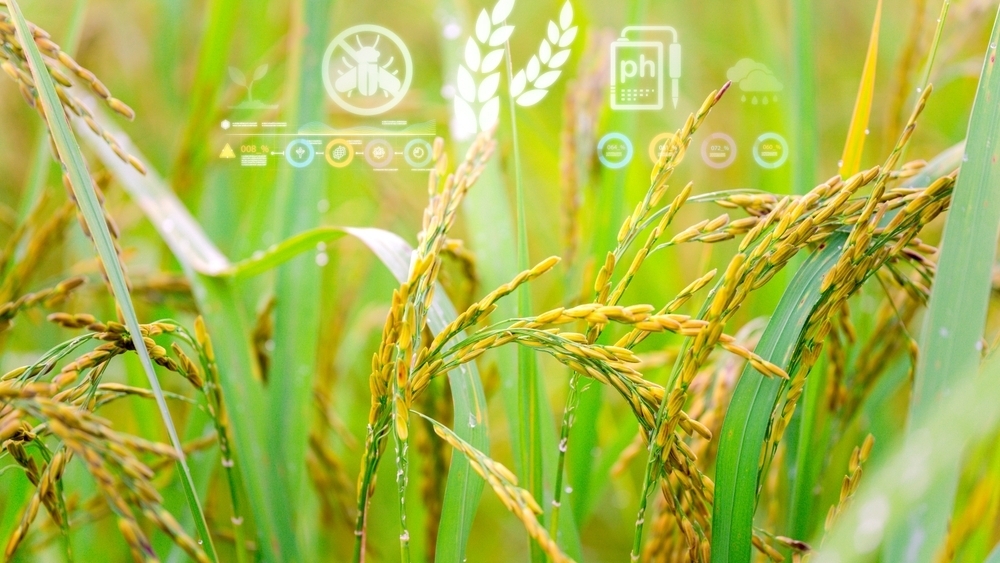
The agreement will see Meldora combine sustainable agricultural production with large-scale environmental plantings under the Australian Carbon Credit Units Scheme.
Rio Tinto, a mining major extracting iron ore, copper, aluminium, and other energy-transition minerals and materials, has committed to a 50% reduction in Scope 1 & 2 emissions by 2030 and net-zero operational emissions by 2050. Mining is part of the so-called “hard-to-abate” sectors, where companies are targeting emission reductions through both carbon credits and green technologies, such as hydrogen-powered vehicles.
Emmanuel Jaclot, executive vice-president and head of infrastructure and sustainability at La Caisse, said: “This investment is a timely step toward advancing resilient, climate-smart agriculture in Australia, while delivering measurable environmental and economic value. Teaming up once again with the CEFC and GAP – and with Rio Tinto as a foundation offtaker – reinforces our confidence in this platform’s ability to scale. It reflects La Caisse’s commitment to sustainable land use and our broader net zero ambition, as we position ourselves early in a growing market for high-quality carbon credits.”
Adam Scott, executive director of Canadian climate campaign group Shift, approached the announcement with scepticism: “While we would certainly support CDPQ making new investments in sustainable agriculture, the creation and sale of carbon credits here is unfortunately not credible and financially risky. Experts have long warned that such credits, in this case from environmental planting on agricultural land, are unable to credibly achieve required carbon accounting standards.
"It is not possible to credibly prove that any carbon absorbed by the projects will be either 'additional' or 'permanent'. The verification process for such credits has also been shown to be problematic in projects around the world. While voluntary measures to improve carbon management for agriculture are much needed, such measures do not create permission for another company to pollute, in this case Rio Tinto, one of the largest mining companies in the world.”