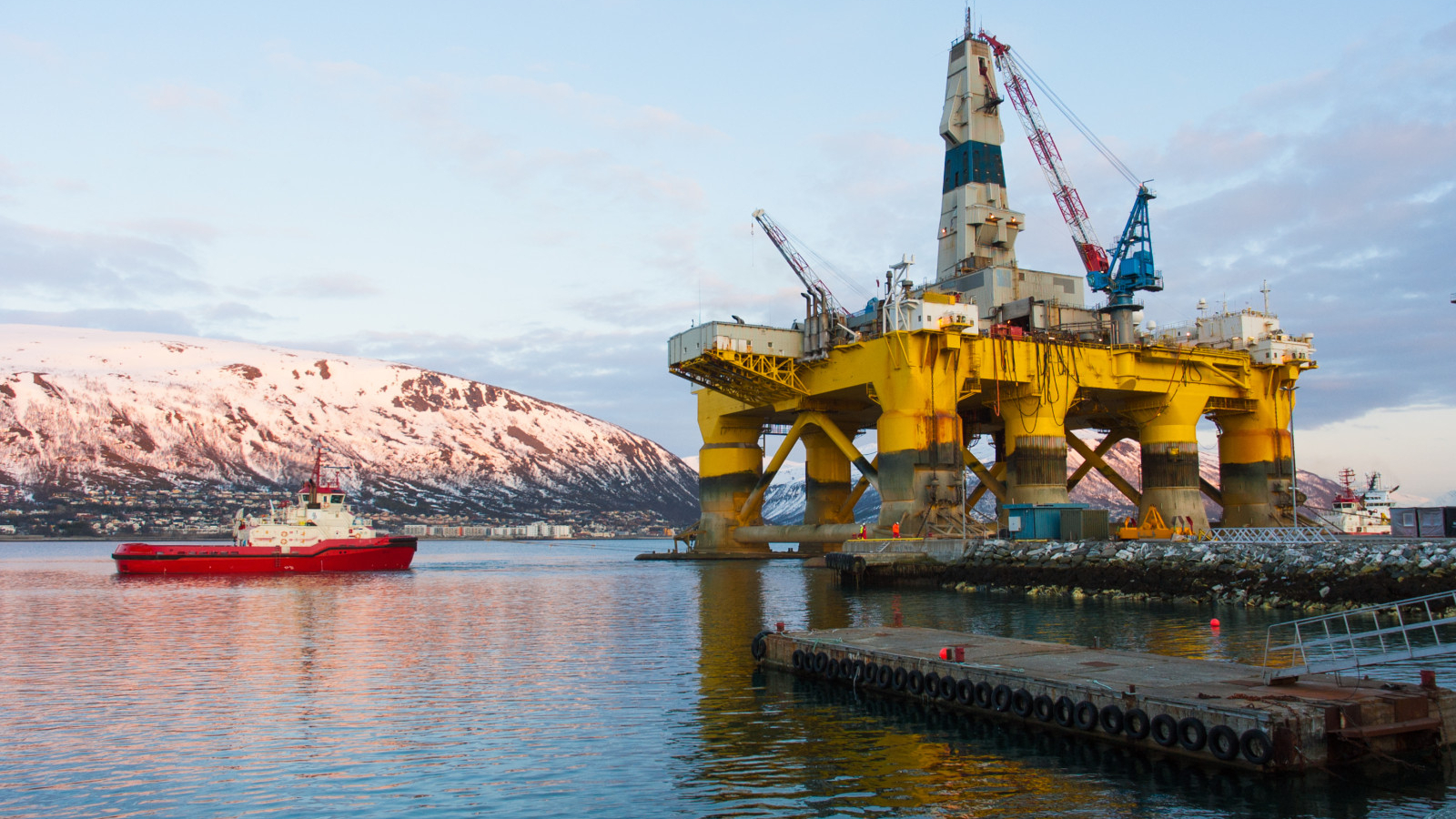
Six institutional investors have backed a call to maintain a ban on Arctic oil and gas drilling, amid pressure from Norway to lift the ban in the wake of the Iran war.
Sarasin & Partners headquartered in London, KBI Global headquartered in Dublin, West Yorkshire Pension Fund and the French pension fund Ircantec have joined an investor initiative pressuring the EU to keep Arctic oil and gas underground amid growing speculation that a moratorium could be lifted.
NZI Transition and Climate Investment Conference | 22 October | London | Register here
The EU is currently revising its Arctic strategy, which bans new fossil fuel exploration north of the Arctic Circle. The Arctic is one of the planet's most vulnerable ecosystems but it is warming four times faster than average global temperatures. Environmentalists warn that drilling in the region creates the risk of unmanageable oil spills, leakages, and harmful underwater noise that severely disrupts local marine life.
Norway is now pushing to drop the ban, citing energy security concerns in the wake of the Iran war. Lifting the ban would benefit Equinor, Norway’s state-owned oil firm which holds the vast majority of licenses and infrastructure in the region. Safra Sarasin and Ircantec have already divested from Equinor, citing concerns about the firm’s rollback of climate ambitions.
Investors opposed to the expansion plans point out that the development pipelines for new infrastructure projects in the region are too long and would lock Europe into new fossil fuel projects well beyond 2050.
They also point out that the geopolitical risk associated with oil and gas activities in areas close to Russian and international waters has increased.
Jacob Ehlerth Jørgensen, head of ESG at Sampension, said: “The EU’s position on the Arctic sends an extremely important signal about the EU’s continued commitment to the green transition. This matters not only for the Arctic region, but far beyond it. Companies and investors make investment decisions on time horizons measured in decades, and therefore depend on clear and predictable policy signals. Such certainty helps channel capital towards investments that strengthen Europe’s energy security, competitiveness, and climate goals.”
Longview Networks: Institutional Investment Conferences and Summits