COP31: electrification push takes centre stage
The ambitious 35-by-35 electrification goal hinges on making the investment case stronger
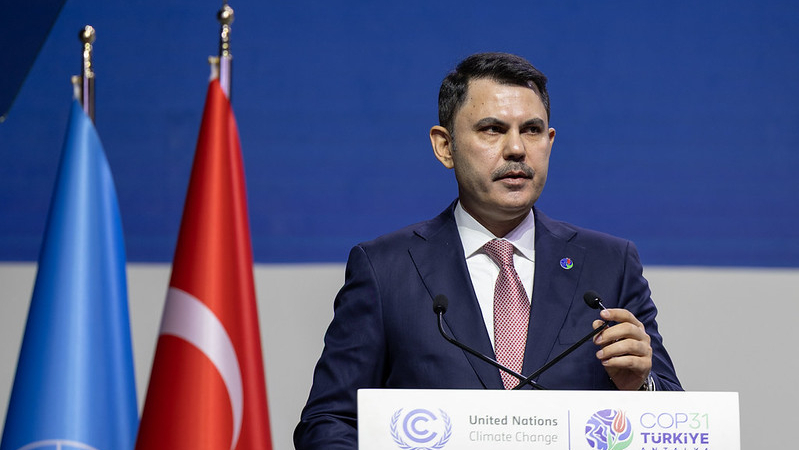
“COPs have traditionally sent signals”, said UN Climate Change executive secretary Simon Stiell in his opening remarks at COP31 in Antalya today. Stiell stressed the opportunity to not only send a signal to markets but also bridge the gap between promises made and promises kept.
One component of the agenda is particularly relevant for investors – electrification. With discussions now underway in Türkiye, COP31 is set to bring the investment case for electrification into the spotlight.
Private Markets and Portfolio Construction | 5 November 2026 | Central Court, London
35-by-35
Electrification is one of the COP31 presidency’s priority agendas – with the target being set at 35% electrification of final energy consumption by 2035. At present, estimates place that number at roughly 23%.
In a letter addressed to participants, COP31 president-designate Murat Kurum framed the goal as “ambitious yet achievable’.
Achieving the electrification ambition hinges on strengthening the investment case behind long-duration, capital-intensive assets such as grids, storage and generation, in addition to improving the underlying economics of electrification in areas such as heating and transport.
“All this calls for a strong financial architecture”, Kurum, who also serves as Türkiye’s environment minister, said in his opening remarks today.
Investor relevance
As an investment theme, electrification has drawn investor attention in recent years. UK pension investor Standard Life’s investment in Irish EV charging operator EZO is a case in point.
Last month, Standard Life announced it would anchor €80 million of debt financing for EZO provided by Aberdeen Investments. It marked Standard Life’s first infrastructure debt transaction in EV charging.
Achieving COP31’s ambitious 35-by-35 target depends on whether the investment case for such transactions can be strengthened. “For investors, a 35% electrification target is ultimately a capital-allocation story”, says Stephanie Maier, global head of sustainable at FTSE Russell.
Maier says electrifying final demand in line with the COP31 vision would require significant investments across generation, grids, storage, transport, buildings and industry.
“For investors, the significance lies in how this investment could reshape capital expenditure, infrastructure and competitiveness across sectors over the next decade”, she adds.
The electrification push is particularly relevant for emerging markets where the energy security crisis following the war in Iran has bolstered the case for renewables-backed electrification.
“The opportunity is particularly significant in emerging economies, where demand for reliable, affordable power is growing fast”, commented Agnes Dasewicz, incoming CEO at the Global Energy Alliance for People and Planet.
Emerging markets investor Ninety One’s latest EM transition debt report echoes these views. The report cites examples of Brazil, Chile, Columbia and China where “improved economics and expanded the commercial opportunity”.
In both developed and developing countries, COP31’s 35-by-35 electrification target has wide-ranging implications for not only the businesses deploying capital-intensive electric technologies but also the institutional investors backing them in that pursuit.