LPFA commits £40m to Environmental Opportunities Fund
The London Pensions Fund Authority (LPFA) has deployed £40m to the LPPI Environmental Opportunities Fund, as part of a wider push to invest 5% of its portfolio in climate solutions.
In June 2025, the £8.2bn LPFA committed to investing 5% of its assets in climate solutions, including renewable energy, energy efficiency, sustainable industry and transport, alongside nature-based solutions such as reforestation and wetland restoration.
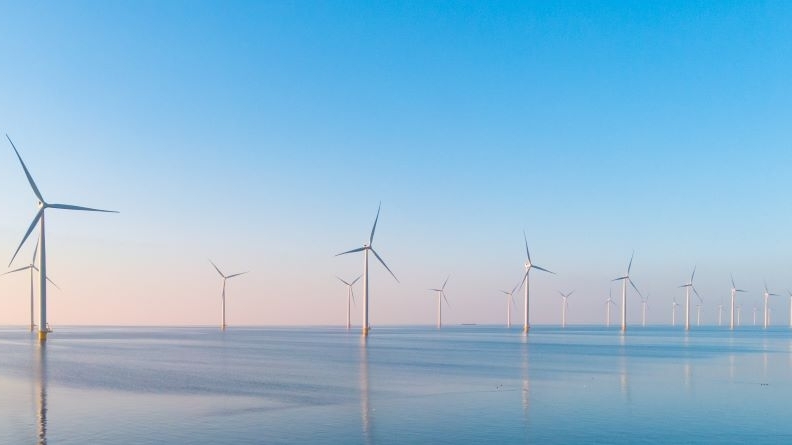
Through its pool, Local Pensions Partnership Investments (LPPI), it has deployed an allocation to the Environmental Opportunities Fund, committing about £40m during the year. The Environmental Opportunities Fund invests in private equity, infrastructure, venture capital and natural capital, targeting opportunities in climate mitigation, climate adaptation and nature restoration.
Longview Networks Insurance Investment Forum | 20th January 2027 | London
The LPFA has revealed how climate change is both a financial risk and an important investment opportunity in its annual pension fund report 2025-26, with its approach combining reducing climate risks across its portfolio with investing in solutions that support the transition to a low-carbon economy.
The strategy of London’s largest local government pension scheme (LGPS) fund is underpinned by three interlinked parts: its responsible investment policy, its climate change policy and its Investor Climate Action Plan, with the long-term ambition to achieve net-zero emissions across its investments by 2050. “They guide our approach to monitoring and reporting, and they set out what we expect our managers to prioritise in managing our investments,” the report said.
Alongside this, the LPFA is working to decarbonise its existing investments, with more than 80% of the £8.2bn fund now covered by climate risk and Paris agreement alignment-related requirements. Listed equity decarbonisation is ahead of its 2030 target, and portfolio alignment is also ahead of targets across credit and real estate.
The report also highlighted how engagement and active ownership are equally important in addressing the issue of climate change. The LPFA has been working with companies, asset managers and other industry partners to drive change, using shareholder voting and direct engagement to encourage transition plans, emissions reductions and greater transparency.
Recent examples include engagement with Samsung Electronics on supply-chain emissions and renewable energy, and with LVMH on decarbonisation targets and Scope 3 reporting.
The LPFA also noted that collaboration is essential to achieving progress on climate change. Through initiatives such as the Net Zero Engagement Initiative and the Institutional Investors Group on Climate Change, it works alongside other investors to change corporate behaviour and strengthen climate stewardship across the investment industry.
Ultimately, the LPFA’s approach goes beyond managing climate risk, instead combining investment in climate solutions, portfolio decarbonisation, active engagement and collaboration.