Nature risk is systemic: there’s a better way to manage it
Savvy investors recognise the value in addressing escalating nature risks associated with businesses that rely on agricultural and forestry supply chains, argue Karen Mo, program director, food and forests at Ceres, and Jeff Milder, director of the Accountability Framework initiative.
Through collaboration with governments and other local stakeholders, landscape initiatives can help address risks that companies cannot effectively manage on their own. Importantly, they present an avenue for investors to introduce nature and deforestation into stewardship conversations when conventional supply chain action does not go far enough.
Longview Networks Insurance Investment Forum | 20th January 2027 | London
In recent years, the increased availability of data on corporate exposure to primary nature loss drivers, such as deforestation, paired with the standardisation of best practice risk mitigation measures has sparked increased investor engagement with companies on related issues. These efforts have paid off. Nearly 650 companies now disclose the proportion of the commodities they produce or source that are deforestation- and conversion-free, a 45% increase from a similar analysis in 2023.
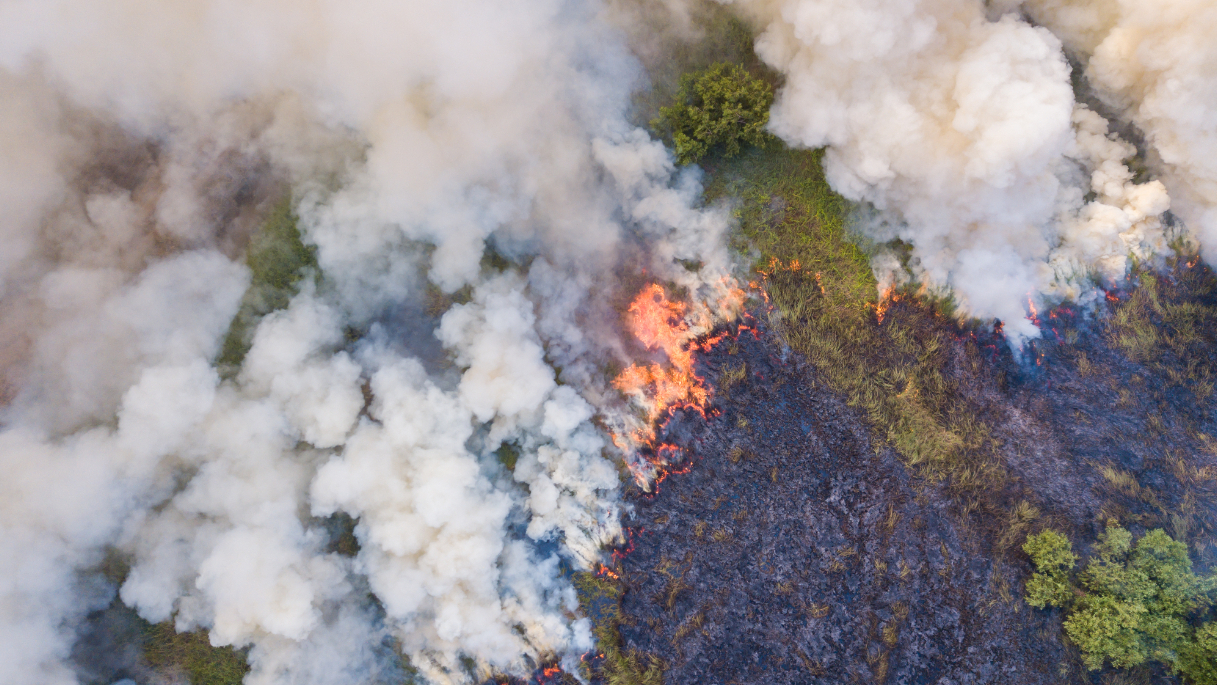
Yet forests are still being cleared at an alarming rate – more than 11 football pitches' worth of forest a minute. In many cases, this destruction is enabled by policies, incentives or lax law enforcement that are beyond the ability of individual companies to manage on their own. This points to the need to supplement company-specific responsible sourcing policies, traceability and monitoring systems with broader measures to cover systemic risks within the landscapes that companies source major commodities.
A multi-pronged approach for supply chain due diligence
To better understand this approach, we can look to the Accountability Framework, which provides a clear and widely used roadmap for how companies can curb deforestation risk and support forest protection and sustainable development.
These guidelines lay out three levels at which companies should manage supply chain risk. The first two – achieving compliance of purchased product volumes and engaging suppliers to improve their sustainability systems and performance – are already largely known by investors. It's the third pillar, which addresses risks and opportunities at the sourcing area level, that investors may be less familiar with.
Acting at all three levels is crucial to managing systemic risks. When companies avoid rather than work to reduce the deforestation risk in a sourcing region, business as usual continues to erode the ecological systems that businesses and supply chains depend on.
When companies avoid rather than work to reduce the deforestation risk in a sourcing region, business as usual continues to erode the ecological systems that businesses and supply chains depend on.

Companies are feeling the results play out in real time, confronting operational disruptions from changing weather patterns – falling seasonal precipitation rates are reducing soya yields by 6.6% a year in Brazil and heavy rains have cut cocoa yields in half in parts of Africa in recent years.
This makes a landscape-level risk mitigation approach – including participation in active initiatives – more durable while contributing to lasting environmental and social improvements on the ground. Good practices for companies to manage environmental and social risk at the sourcing area level already exist – including establishing roles for local governance, robust monitoring systems and support for producers and other land users. These elements provide a structure for investors to engage portfolio companies around such solutions. Effective engagement at the sourcing area level can help cut risk over larger spatial and temporal scales.
By adopting a "landscape lens", investors can assess and mitigate portfolio risk more strategically and comprehensively.

What this looks like in practice
Landscape initiatives are common across major commodity-producing regions, including palm oil production hotbeds in south-east Asia, cocoa-growing regions in West Africa and leading soya and beef origins in South America. So, companies can engage in existing efforts rather than needing to launch their own from scratch.
And many companies are already realising the opportunity. As Ceres highlighted in a recent report, nearly 350 companies disclosed engagement in over 570 landscape initiatives, according to 2024 CDP data.
Experience demonstrates that company participation in landscape initiatives can deliver clear and tangible outcomes for supply chain compliance and resilience. For example, Nestlé supports an initiative in Malaysia's Southern Central Forest Spine landscape, where the company sources 8% of its palm oil. To date, this initiative has established comprehensive no-deforestation action plans for 85 palm oil mills, achieved full supply chain traceability for 40 mills, decreased forest loss across the landscape by 75% since 2020, and improved livelihoods for more than 1,600 farmers.
Landscape initiatives vary widely in their aims, scope and collaboration models. For this reason, it's important for companies (and their investors) to identify the specific ways that engagement in such initiatives can help deliver business objectives and mitigate risk.
To this end, Ceres' recent report includes a framework that helps investors assess business value for participating companies. It considers factors such as materiality to the business, maturity of the landscape initiative and the role and impact of the company's involvement.
By adopting a "landscape lens", investors can assess and mitigate portfolio risk more strategically and comprehensively. That includes engaging companies not only around their direct supply chain management practices but also around challenges and solutions to address deforestation and related impacts in the sourcing areas upon which their businesses depend.