
Oregon’s $100bn public pension fund on track to triple transition infrastructure investment
New disclosures from the state’s treasury shows OPERF’s widening appetite for transition infrastructure and a 50% reduction in portfolio emissions intensity
Oregon, a state in the northwest region of the United States, is home to over 4 million people. One in four of its residents rely on its public pension funds for their retirement. The state’s Public Employees Retirement Fund (OPERF) – which manages over $100bn – is a cornerstone of that system.
Oregon’s State Treasury has published an update on OPERF’s climate solutions allocations. The report outlines the fund’s success is reducing portfolio emissions intensity by over 50% year on year.
Partly, the falling emissions data has to do with an increasing appetite for ‘climate positive’ real assets. The Treasury says it is on track to triple exposure to these investments by 2035, compared to a 2022 baseline. In 2022, the fund had invested $1.2bn in climate-aware real assets. That number at last count stood at $2.4bn.
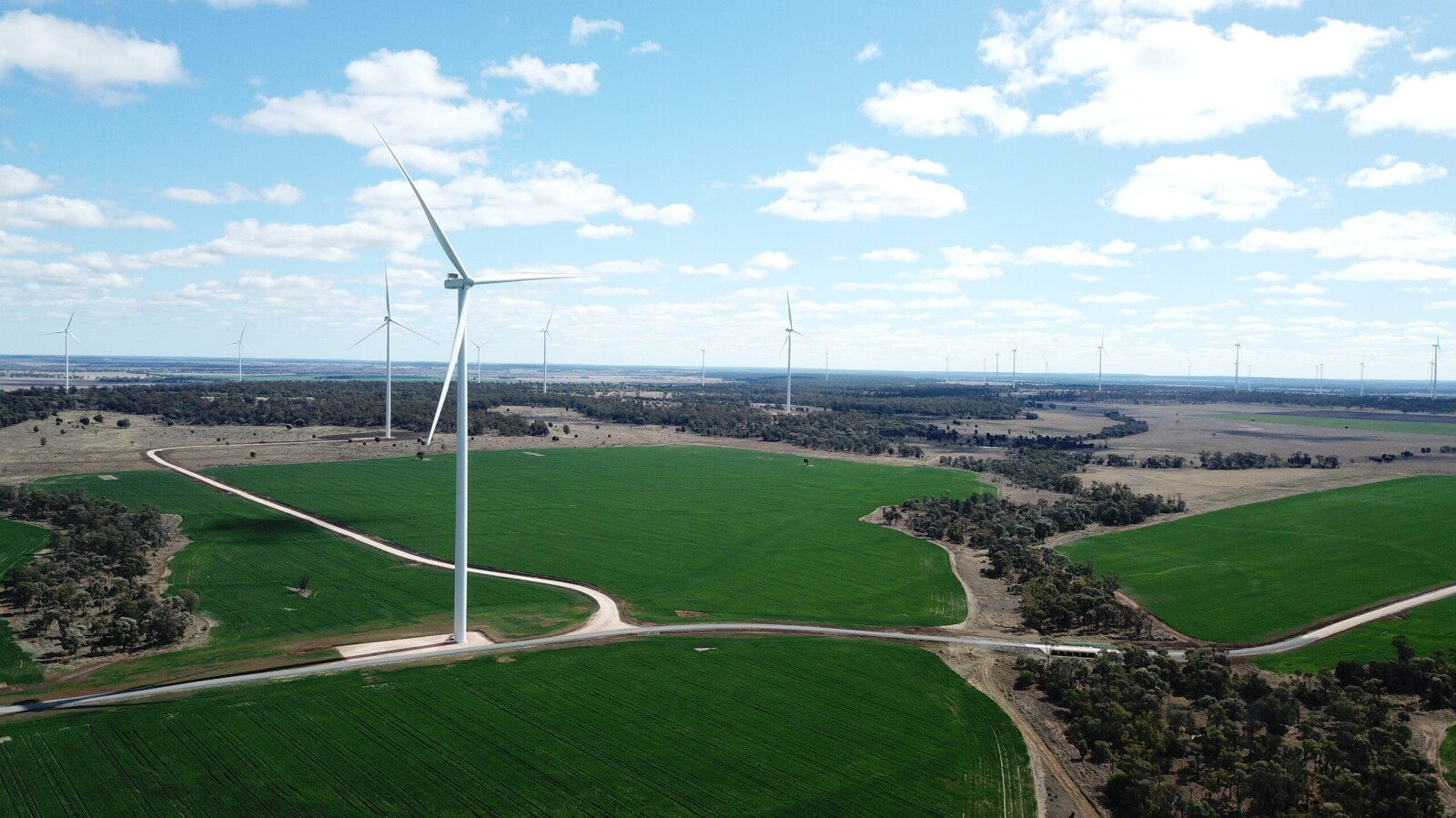
According to the new report, this category includes renewable energy, batteries, charging infrastructure and carbon credits.
State treasurer Elizabeth Steiner says fund’s increasing exposure to transition-aligned investment is in the interest of beneficiaries.
“This report shows our team is reducing emissions intensity while aligning investments with the clean energy transition to generate strong, long-term returns that support a stable and reliable retirement for Oregon’s public employees”, commented Steiner.
The real assets portfolio shows an increasing tilt towards infrastructure assets. Since 2020, the fund’s allocation to transition infrastructure investments has tripled.
Transition infrastructure holdings accounted for less than 10% of the fund’s real assets portfolio in 2021. Now, they represent 22% of its allocation. According to fund disclosures, its transition infrastructure holdings are spread across 130 assets and 33 limited partnerships.