
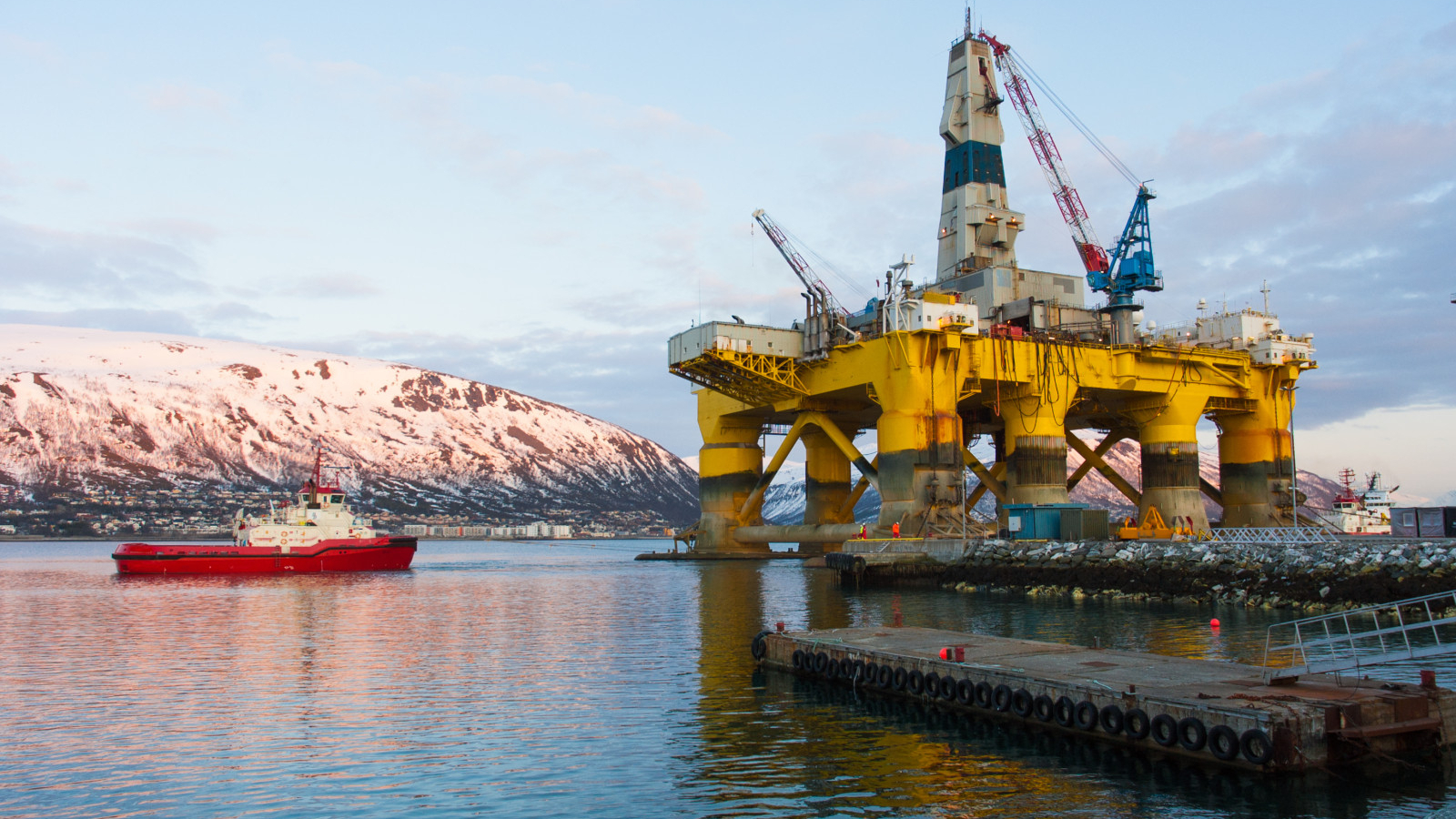
The European Commission has confirmed today that it will keep restrictions on oil and gas exploration in the Arctic in place, following investor pressure. The trade bloc has reaffirmed its commitment to a Moratorium against Arctic oil and gas expansion, after months of speculation that rules could be eased.
NZI Transition and Climate Investment Conference | 22 October | London | Register here
In April this year, the EU said it would consider dropping the restrictions in a bid to secure greater energy independence in the wake of the oil crisis in the Middle East. Lifting the ban could have benefited Norway by unlocking its most significant fossil fuel reserves. Norway is also a major shareholder of Equinor, an energy company which currently already engages in Arctic oil and gas drilling in the Barents sea. Norway is not a member of the EU but collaborates closely with it via the European Economic Area (EEA) Agreement and the Schengen Agreement.
The announcement, first reported on Euronews comes just weeks ahead of the release of the EU’s Northern Neigbourhood Strategy, which defines the EU’s relationship with its northern partners, primarily Norway, Iceland, and the Faroe Islands.
However, a group of major investors, including Nordea, Swedbank, KLP and Sampension had publicly opposed the move, warning that it risked to threaten vulnerable Arctic ecosystems and that a system built on domestic renewables would be more resilient than fossil fuel imports.
Commenting on the news, Jacob Ehlerth Jørgensen, head of ESG at Sampension said: “We firmly believe that Europe’s long-term energy security can be strengthened more effectively, and with fewer risks, through investments in electrification, renewable energy and modern energy infrastructure than through new fossil fuel projects in the Arctic.”
Heidi Finskas, vice president sustainability at KLP added:“This is a wise decision by the EU, helping to ensure that the risks associated with climate change do not affect our investments. We are committed to creating long-term value from the pension funds of Norwegian municipalities and health enterprises. We believe this is best achieved through an energy system that strengthens energy security within the framework of Norway’s, the EU’s, and the world’s long-term climate and nature goals.”
Just last week, European Commission president Ursula von der Leyen reiterated the trade-bloc’s commitment to tackling climate change in her State of the Union address.” “Science is clear. Europe is warming at double the global rate. Of course, the transition is complex. And we will need to adjust and learn along the way. But there is no doubt: Europe can, must and will stay the course on its climate targets”, she said