
Shaken, not stirred: private investment in climate mitigation is higher than ever
A new report from CPI finds the mitigation financing gap is narrowing, courtesy of lower costs and rising consumer demand
Estimates of the climate investment gap vary depending on which part of the world you look at and which scenario you consider. The ‘lowest needs’ scenario – the bare minimum costs of the transition – would require $4.4tn each year by 2030. Other conservative estimates place this number at over $6tn.
That is according to analysis from Climate Policy Initiative (CPI), an analysis and advisory organisation. CPI’s new Global Landscape of Climate Finance 2025 report finds that the climate investment gap is narrowing, steered by rising private investment flows and an underlying investor conviction in the economics of mitigation technologies.
Higher than ever
The report’s key finding is that climate investment has never been higher. In 2023, investment flows hit an all-time high of $1.9tn. Early estimates suggest that figure could cross $2tn in 2024. If that pace could be sustained, the elusive $6tn financing need could be within reach by the end of the decade.
The sharp rise in investment flows has to lot to do with private investment in climate mitigation – where the economics of the opportunity seem to have weathered recent political turbulence.
This is particularly the case of renewable energy investments. “For one thing consumer behaviour is driving an increase in finance flows to energy efficiency and small scale solar equipment”, says Baysa Naran, the report’s lead author who leads CPI’s climate finance tracking program.
“Energy prices are still high compared to pre-pandemic levels; therefore, distributed energy and energy efficiency solutions offer a cut in electricity bills for households”, Naran told Net Zero Investor.
The mitigation opportunity
Between 2018 and 2023, CPI data shows that investments in mitigation more than doubled, rising to $1.78tn. Viewed together, renewable energy and transport represent 75% of these flows. Despite political headwinds, investors’ confidence is weathering the storm.
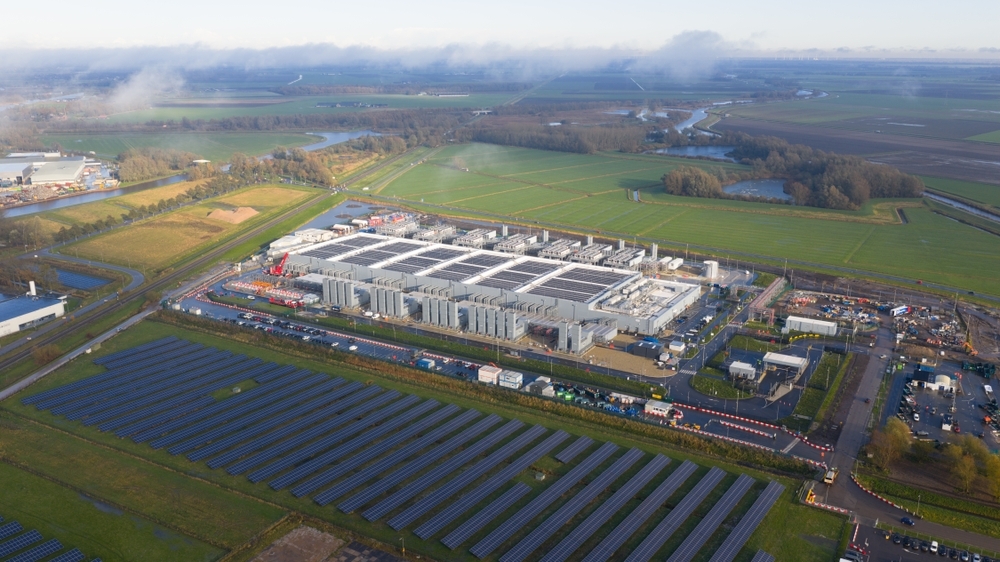
The clues are in the cost curves of underlying technologies. For instance, the mainstream module cost for solar PV had fallen by nearly 40% by 2023, compared to 2018 levels.
Combine that with consistently rising consumer demand and an investor’s confidence seems unsurprising. CPI’s report shows similar trends playing out in offshore wind and energy storage.
NZI Climate Solutions Summit | 11.09.2025 | London | find out more here
“Investment is going to technologies where it is cheaper both in terms of technology and cost of capital; however, the flip side is that finance is also going to fossil fuel energy”, notes Naran.
The effect of high-profile exits from net zero financial sector alliances seems have had a limited effect on the investment case for mitigation. Naran cites the case of the Net Zero Banking Alliance and notes that flows continue despite the backlash.
“The banking sector has seen high-profile departures from NZBA, but clean energy finance is continuing regardless given that there is market demand and there are investable opportunities. Pipeline of green assets is growing, green technology costs continue to fall, and they often give attractive returns for investors”, she says.
Cautious optimism
That is not to say that all is well on the financing front. Climate investments are after all, policy-linked.
CPI’s findings suggest investment in buildings and infrastructure – think energy efficiency and heating – are at the risk of stagnation in advanced economies given higher interest rates and a gradual phase-out of government support.
Mitigation in hard-to-abate sectors such as cement and steel still require a public sector coordination to steer capital into low-emission technologies. The removal of concessional finance as a de-risking tool could make the investment case less resilient.
While recognising that supportive policies such as taxonomies, consumer incentive schemes and carbon taxes have been introduced in many jurisdictions, Naran warns this year could be different.
“2025 poses a lot more uncertain environment given the trade war and shifting priorities of public budgets”, she says.
Moreover, Naran says, most of the growth in private investment is geographically concentrated. Outside China and a select few advanced economies, momentum is less evident.
The CPI report offers plenty of evidence that favours optimism over the investment case for climate mitigation.
Yet, it simultaneously recommends caution. The full extent of policy uncertainty and political headwinds is yet to be seen in the data CPI relies on. A reader of CPI’s latest report could reasonably conclude, for now, that the investment case for mitigation is shaken, not stirred.