When members call the shots: how Pensioenfonds Detailhandel is turning its new impact commitment into action
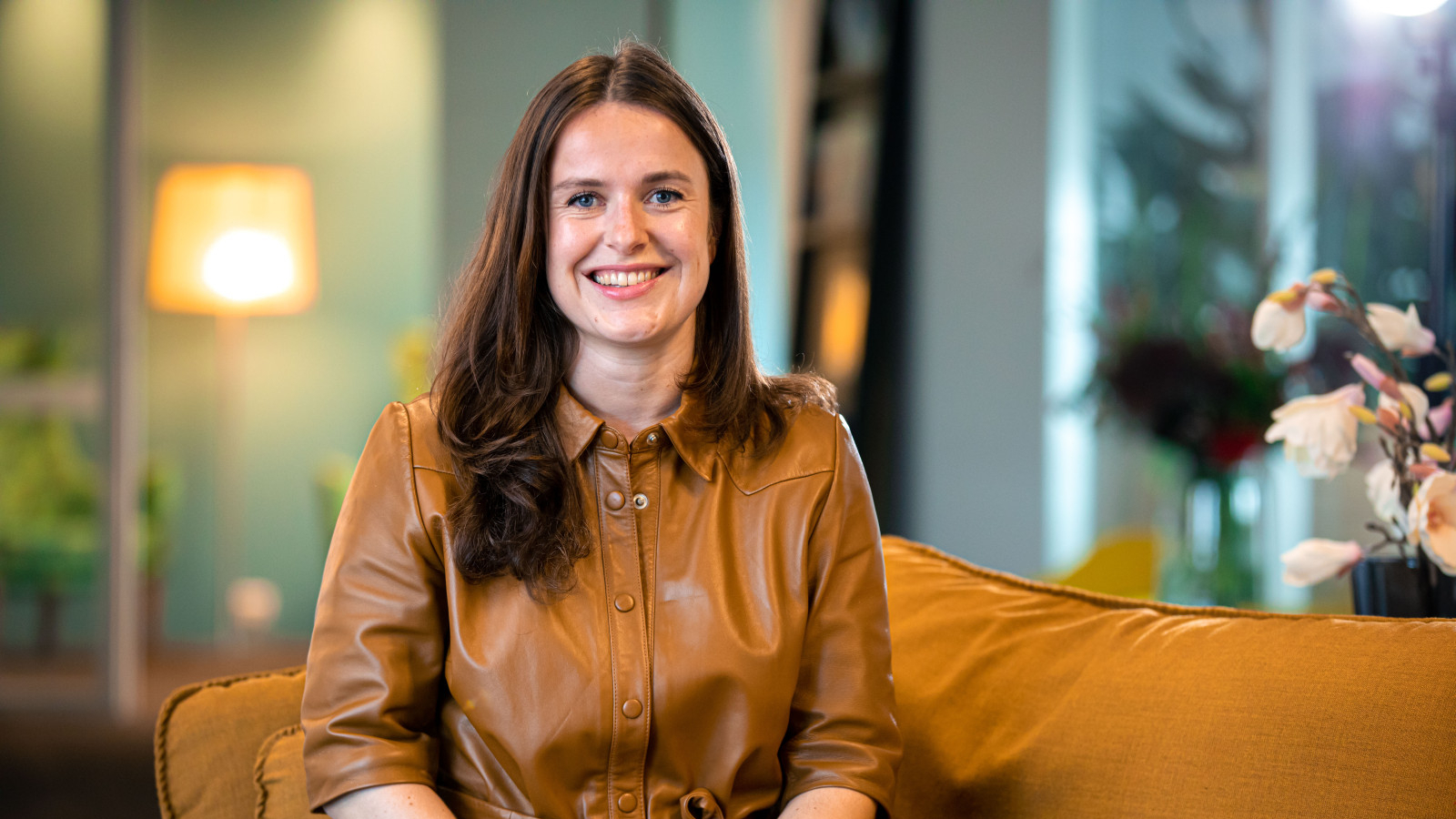
Dutch pension fund Pensioenfonds Detailhandel embarked on a unique dialogue with its members, which resulted in a recommendation to triple impact investments. The fund's head of Responsible Investment Louise Kranenburg sets out why the fund sought feedback and how this will be put into action
Two years ago, Dutch pension fund Pensioenfonds Detailhandel, a €34bn CDC fund which invests on behalf of retail workers in the Netherlands, embarked on a new mission to seek widespread feedback among its members on sustainable investment, which would result in binding investment decisions for the fund.
The process, modelled as participant dialogue, is so far unusual in the Dutch pensions landscape, Kranenburg explains. While pension funds, including Pensioenfonds Detailhandel, have previously engaged in member surveys, participation has so far been fairly limited.
NZI Climate Solutions Summit | 23 June | London | register here
But against the context of growing policy backlash against ESG investing, which has also made it to the Netherlands, the fund's board felt that more feedback was required.
In 2024, Dutch parliamentarian Thierry Aartsen, representing the economically liberal right-leaning VVD party, put forward a motion in Dutch parliament explicitly challenging the climate investment policies of major Dutch pension funds, which had emerged as key investors in clean energy infrastructure. Against the context of growing policy backlash in the US, the move sparked considerable public debate in the Netherlands.
Pensioenfonds Detailhandel has so far been more conservatively positioned than some of its larger peers, with just short of 60% invested in fixed income, the bulk of it in Euro-denominated sovereign debt, a third in equities and small allocations in real estate and liquid alternatives.
Being more than 131% funded at the time of writing, there is little urge to dial up the returns pressure. However, the fund is seeking to diversify its portfolio and is considering strategic impact investments, including commitments in private markets.
Ahead of that, the fund embarked on the move to seek more widespread input from its members: "The board felt that when it comes to more value-driven questions around responsible investment, we cannot make those choices for our members without understanding their preferences. We simply didn't have enough information about what people really care about," she explained.
This process ties in with a wider interpretation of the concept of fiduciary duty, Kranenburg emphasised: "In the Netherlands there has been a longer debate that fiduciary duty is not only about financial risk and return. It can also include how beneficiaries feel about certain investments."
The process came about under guidance from Maastricht University professor Rob Bauer, who has acted as a longstanding independent advisor to the fund's investment committee, in collaboration with Cranfield University's Dr Emmeline Cooper, who specialises in deliberative democracy projects and sustainable investing.
"Traditional surveys are useful, but they are limited. Members can only respond to the questions you ask them. We wanted a qualitative approach where people could be informed, deliberate and raise their own priorities."
Unlike a traditional survey, the fund invited a small but representative group of its members to a three-day training session on investment, which then fed into 49 investment recommendations which would be put to a vote among the wider membership. This, in turn, would enable decision-makers to gain a much deeper understanding of member preferences, Kranenburg explained: "What deliberative research gives you is the 'why'. Instead of just seeing that 50% of people support something, you understand why they care about it."
Understanding investment trade-offs
A key aspect of the three-day training session involved honesty around potential trade-offs, Kranenburg explained. "We currently run a very low-cost, largely passive portfolio on the liquid side, so moving into private markets will involve higher costs and potentially higher risk."
"When we discussed responsible investment with participants, we were very open that there could be trade-offs. These could be lower returns, higher risks or higher costs."
This chimes with very tangible lived experience of the fund's members, who as retail workers appreciate the price differences between premium goods and discounted goods, she adds.
Another trade-off is the cost of stewardship, she added: "for example, meaningful engagement or collaboration with companies can be impactful, but it is also resource-intensive. Those are trade-offs members should understand."
A third aspect is the potential financial cost of exclusions: "If you move further towards exclusions or more concentrated portfolios, you could increase concentration risk. We wanted to be transparent about that."
Broad backing
Despite these limitations, pension fund members came out as largely supportive of impact investments alongside commitments to the energy transition and the circular economy, proposals which were subsequently put to a vote among the fund's wider membership and received significant backing.
"In the survey, 42% of respondents supported increasing the impact investing allocation."
The votes will have direct consequences on the fund's investment strategy, she adds: "At the moment we have around 1% in direct impact investments, and the board decided to increase that to between 2% and 5%."
Still, a degree of flexibility is retained given the wider range between 2% and 5% she adds: "That range gives the board some flexibility to ensure the overall risk-return profile of the fund remains appropriate."
Impact on asset allocation
With the consultation process now being completed, the board is working on putting the new ambitions into action: "For us this is really about making intentional impact, which is why we expect most of this allocation to be in private markets," Kranenburg shares, adding that this really represents a significant change in strategy.
The fund has not yet committed to which aspects of private market asset classes it will commit, though it will start off with private debt and real estate considerations, but remains open to considering private equity strategies too.
Understanding the respective asset classes thoroughly will be key before committing to a new strategy, Kranenburg cautions. At the moment, the fund has allocations to private debt strategies via Symbiotics Tikehau Colesco, and is feeling relatively more comfortable with this asset class, Kranenburg explains, though allocations to other strategies are not yet ruled out.
Regardless of the allocation outcome, it is likely that multiple managers would stand to be appointed, she predicts: "Ultimately the additional allocation could be at least €300m and potentially close to €1bn, so we expect to work with multiple managers."
Two years since the launch of the member consultation process, Kranenburg reflects that the process has been empowering for members. Pensioenfonds Detailhandel's new adventure is set to have a much more widespread impact. In the UK, DC Master Trust Nest has now embarked on a similar process of seeking feedback from members, with survey results soon to be published.
Longview Networks: Institutional Investment Conferences and Summits