UK pension funds face $19bn in stranded assets by 2040
The UK economy is heading for a $141bn loss caused by stranded assets, with pension funds on track to lose up to $19bn within the next 15 years new research finds
The UK pensions industry is disproportionately exposed to stranded asset risks, outranking the US, Italy, and France on potential losses per capita, according to a new report produced by the UK Sustainable Investment and Finance Association (UKSIF) in collaboration with Transition Risk Exeter (TREX), a University of Exeter spin-out that provides climate risk analysis for investors.
Stranded assets are investments that lose economic value before the end of their anticipated life cycle, often due to shifts in regulation, market demand, or technological change.
The report traces the financial ownership of fossil fuel assets and tracks the exposure of end beneficiaries—such as individual investors, pension funds, and governments—to the risk of these assets becoming ‘stranded’.
It concludes that of the approximately £88bn in fossil fuel assets held by UK pension funds, around £15.2bn ($19bn), or 17%, is at risk of stranding by 2040 if current policies and pledges are fulfilled. As a proportion of the total £3trn UK pension pot, this amounts to a 0.5% stranding. However, as a proportion of the UK’s projected £113bn ($141bn) economic loss, this constitutes a 13% share, the report finds.
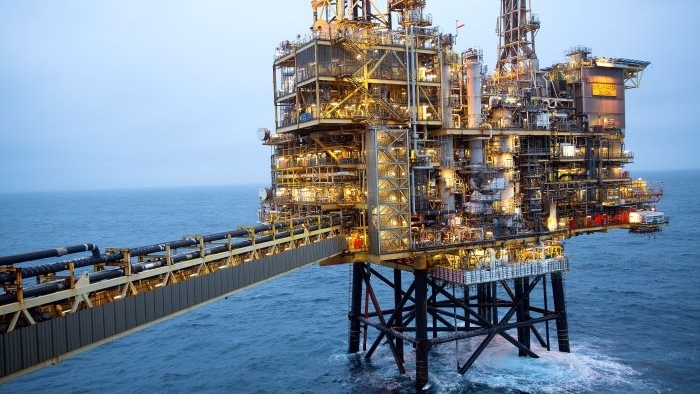
The report comes a day after the UK government announced its decision not to issue further licences for North Sea oil and gas exploration, a significant blow for major UK energy firms such as Shell and BP, which had banked on expanding oil production in the North Sea.
James Alexander, chief executive of UKSIF, commented on the report: “The surest way to offset the risk of losses posed by stranded assets is to invest in industries that will thrive as fossil fuels decline. The UK government must demonstrate global climate leadership by implementing ambitious decarbonisation policies and fostering investment in the growth industries of the future, like renewable energy.
“Together, the coordinated efforts of investors and policymakers can meaningfully mitigate stranded asset risk while also ensuring that the UK plays a leading role in the global green transition,” he added.
Willemijn Verdegaal, co-CEO at TREX, stressed that corporate transition plans were still lagging: “Stranded assets have the potential to cause significant disruption to the global financial system, and the UK faces particularly severe exposure. The risk of oil and gas companies’ misalignment with global demand projections is not properly understood or priced in.
“At TREX, we are seeking to better inform professional investors on the ways in which this risk proliferates through complex ownership networks, even to ultimate owners. The sooner investor expectations realign with demand projections, the better for their risk exposure,” she stressed.
UKSIF, an industry body for the UK financial sector, has put forward a range of proposals to mitigate the potential cost of stranded assets.
Targeting the government, the industry body stresses the importance of attracting international investment in the energy transition and supporting industrial decarbonisation strategies. UKSIF also highlights that investors should brace themselves for the challenges ahead by systematically disclosing climate-related transition plans in line with the Transition Plan Taskforce (TPT) framework and ramping up their stewardship efforts to engage with governments and international standard-setting bodies to ensure a more enabling policy environment for the road to net zero.